On 9 March 2026, GKEPF convened management authorities, wildlife monitoring practitioners, and partner organisations at Timbavati Nature Reserve, hosted at the Graeme Naylor Museum, for a discussion on wildlife monitoring and management of key threatened species.
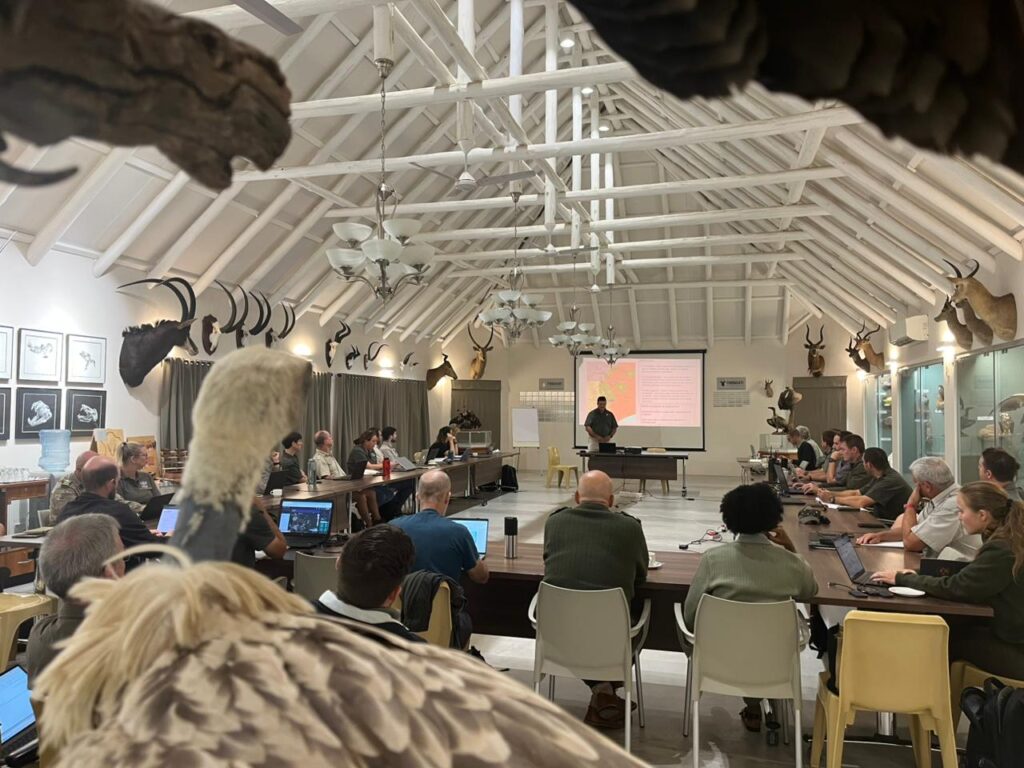
The meeting brought together representatives from across the Greater Kruger landscape to reflect on current monitoring approaches for species such as rhino, lion, wild dog, and vultures. These species serve as important indicators of ecosystem health and area integrity, and their protection requires a coordinated, landscape-level understanding of risk and population dynamics.
A key focus of the session was the role of consistent and effective monitoring in enabling early detection of emerging threats and supporting adaptive, evidence-based decision-making. Participants discussed the challenges associated with fragmented or inconsistent monitoring across protected areas, and how this can limit the ability to respond proactively to risks such as wildlife crime and ecological pressure.
The meeting also revisited the importance of strengthening GKEPF’s role in supporting the collation and interpretation of monitoring data across reserves. By building a clearer, shared picture of population trends, movement patterns, and cumulative risk exposure, partners are better positioned to implement coordinated and timely responses at the scale at which these species operate.
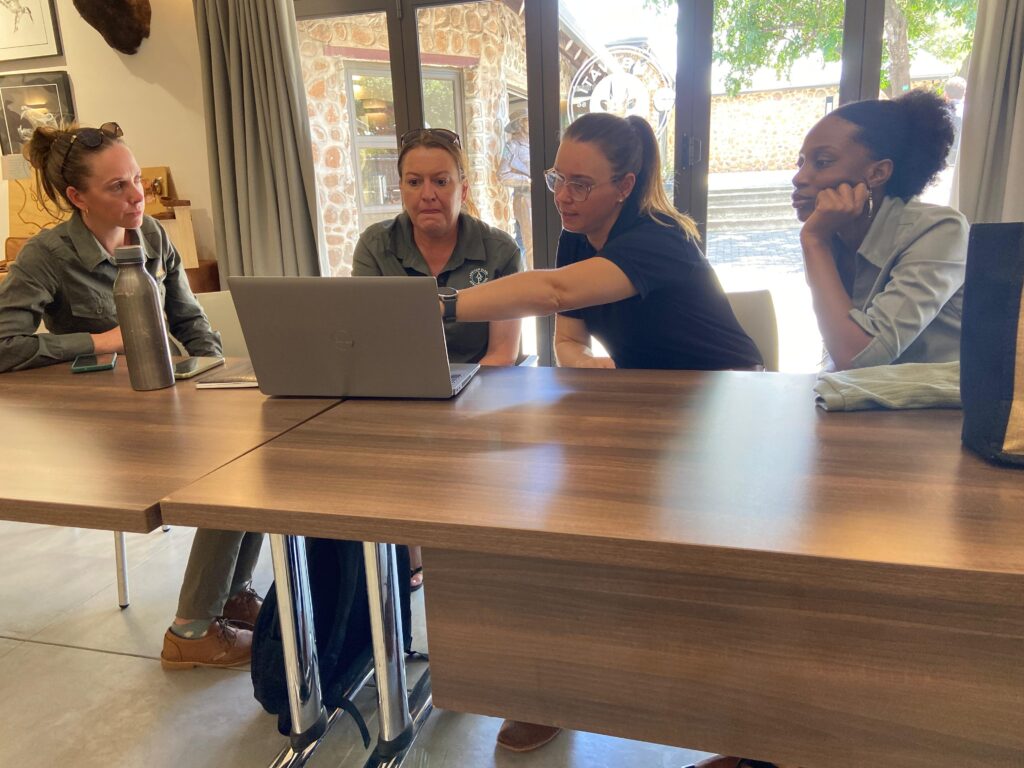
Importantly, the session created space to reflect on lessons learned from past initiatives, including the African Parks Rhino Rewild Initiative. These reflections provided valuable insights to inform future wildlife management decisions, translocations, and protection strategies across the landscape.
The event marked an initial step toward establishing shared parameters for baseline information, guiding principles, and indicators to support more aligned monitoring programmes. An outcome of the meeting was the formation of focused working groups, beginning with rhino and lion, to guide future monitoring and management approaches.
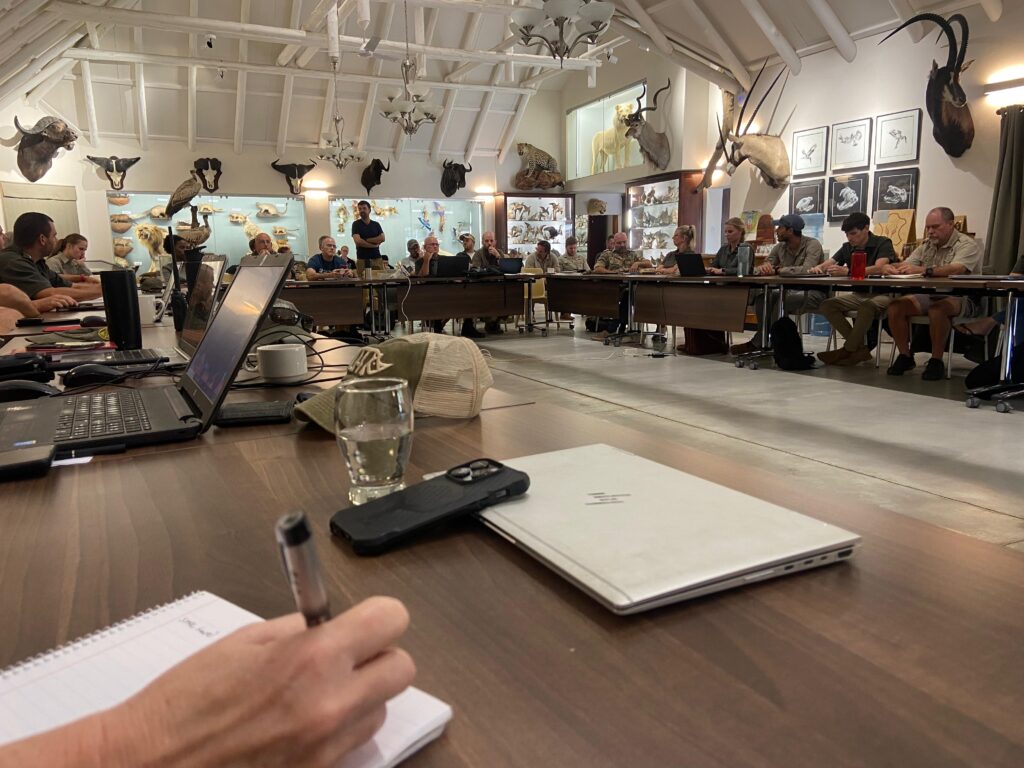
GKEPF’s role in convening this meeting aligns with its broader mandate to support coordination, strengthen partnerships, and enable landscape-level understanding of risk and resilience to wildlife crime. By bringing together data, expertise, and experience, the initiative contributes to more informed decision-making and stronger, more adaptive conservation systems across the Greater Kruger.
GKEPF acknowledges Timbavati Nature Reserve for hosting the meeting, as well as the support of the Rhino Recovery Fund, and the valuable contributions from partners including SANParks, Wildscapes, LEDET, Contemplate Wild, Endangered Wildlife Trust, and participating Management Authorities and partners.