
Partner
Building trusted alliances
and sharing information.
Partner
Building trusted alliances
and sharing information.
Our Partner Programme
Partnerships to strengthen cooperation and collaboration between stakeholders
Our Focus Areas
Strategic multi-level engagements
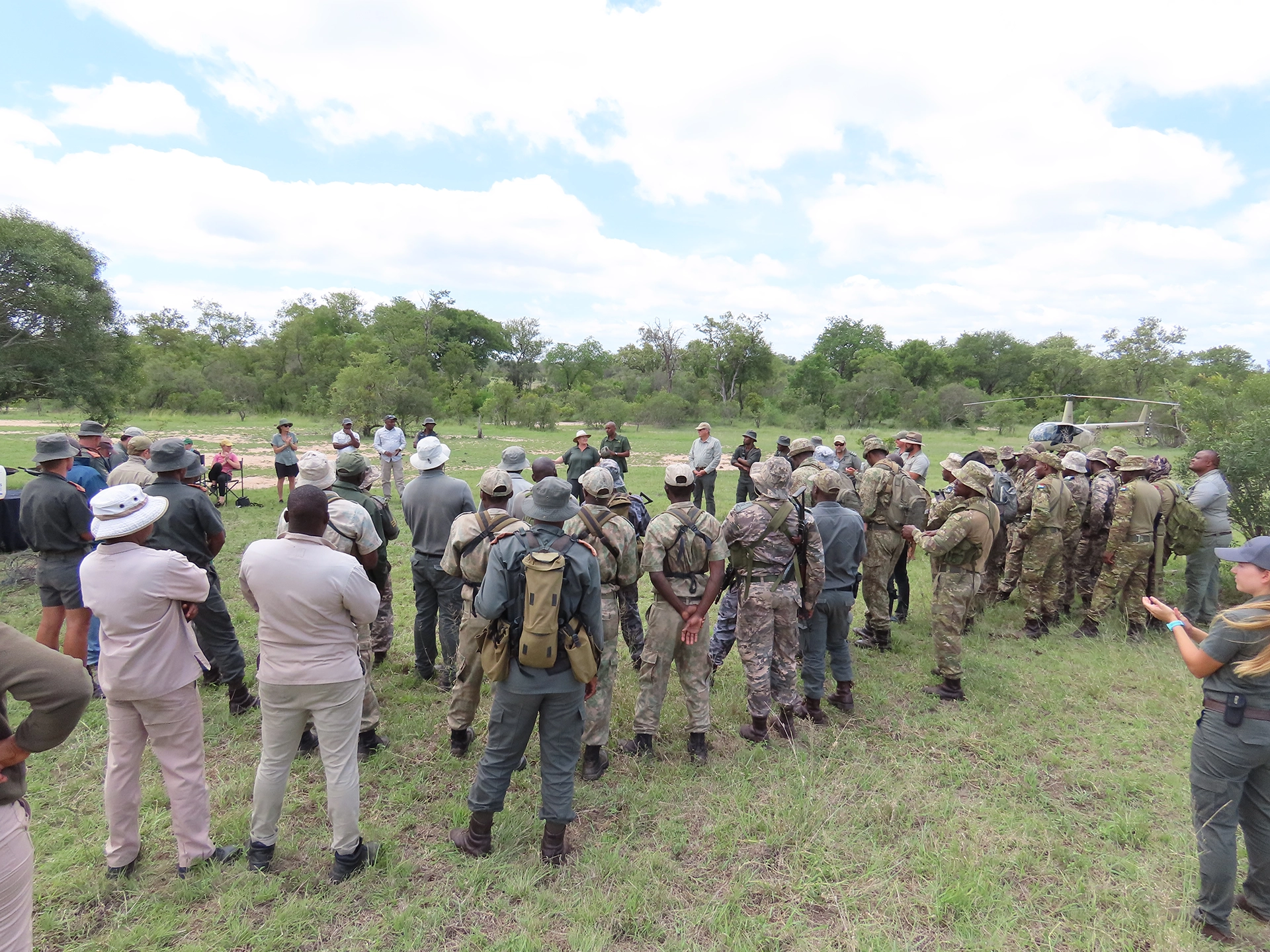
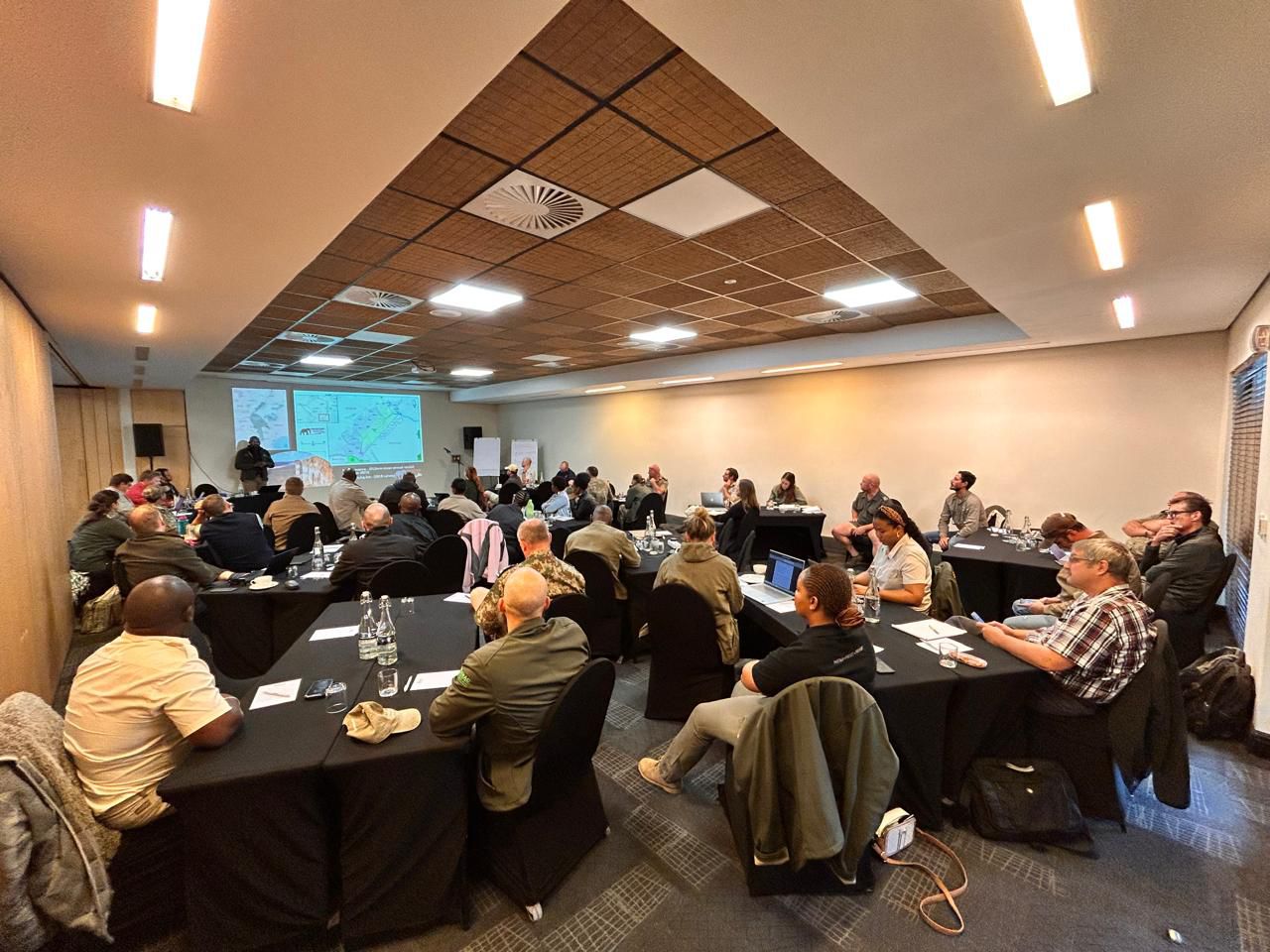
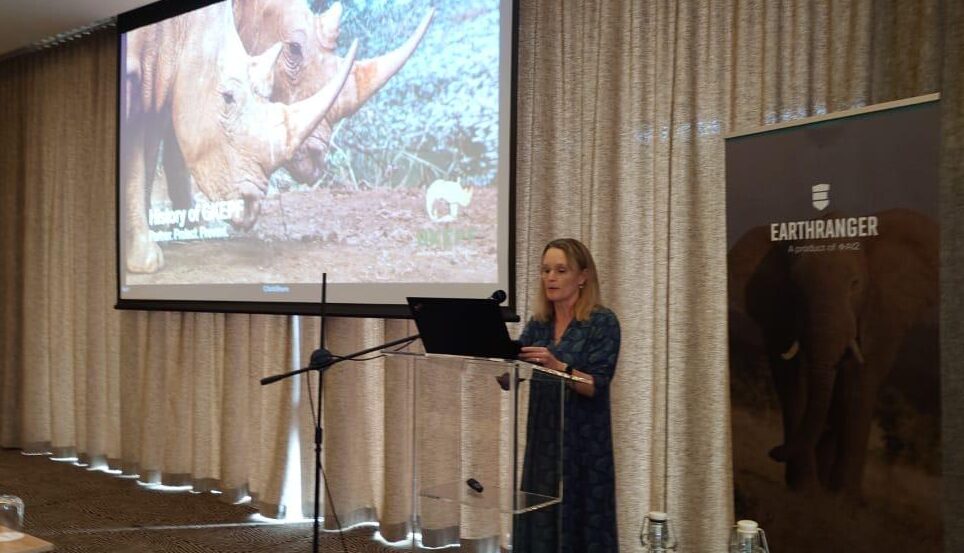
GKEPF convenes public and private partners, including reserves, provincial authorities, and national law enforcement, to build trust and align action. These collaborative forums ensure that intelligence, resources, and strategies are shared effectively, enabling faster, more coordinated responses to wildlife crime across boundaries.
Focused investment in environmental safety
Conservation security depends on sustained, strategic investment. GKEPF works with donors committed to protecting natural heritage and the people who defend it. Funding supports frontline operations, aerial surveillance, and coordinated anti-poaching initiatives, while also building the systems and skills needed for long-term landscape security.
Secure information sharing and communication
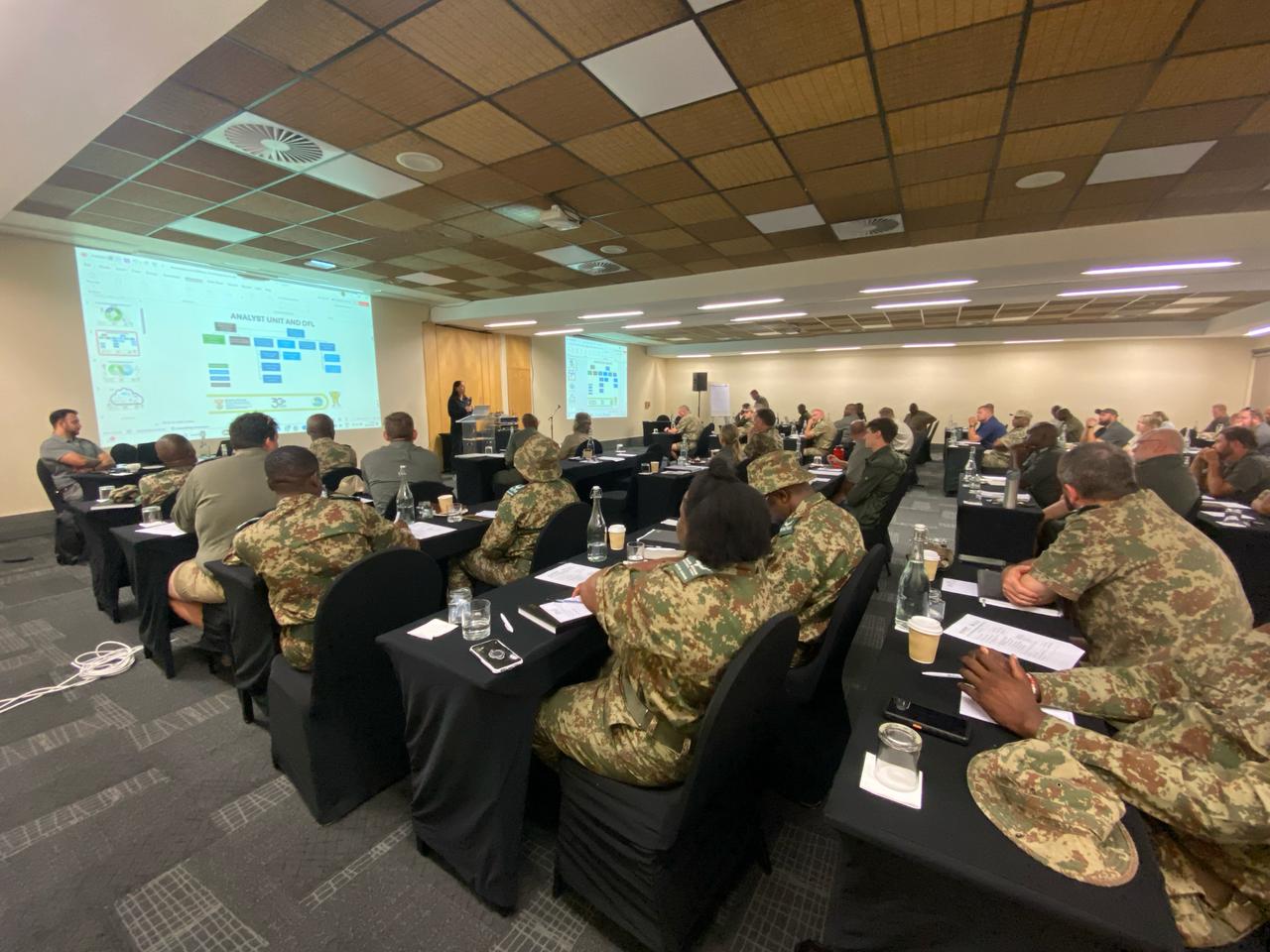
Secure safety and security information is collated and shared under clear governance, increasing trust and joint action.
Key Donors
Policy Guidelines

SADC-LEAP Framework
GKEPF is guided internationally by the strategic policy framework outlined by Southern African Development Community (SADC) Law Enforcement and Anti-Poaching Strategy (LEAP) as it forms part of SADC Regional Indicative Strategic Development Plan (RISDP).
IWZ Premier Zone Coordination
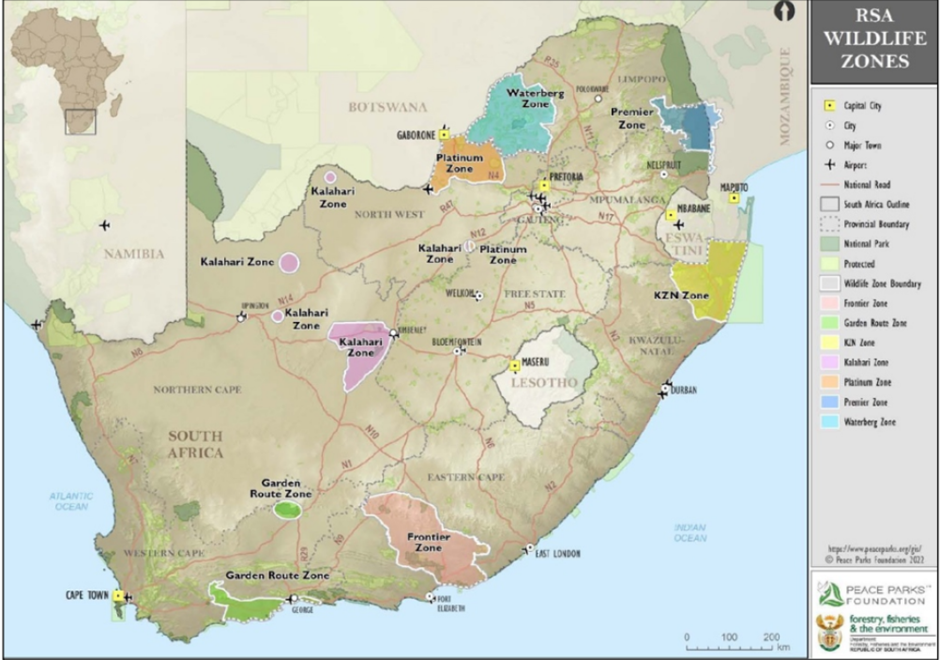
GKEPF is the coordinator of the Premier Integrated Wildlife Zone (IWZ), straddling the Mpumalanga and Limpopo Provinces within the GLTFCA footprint. GKEPF supports the national IWZ framework, a whole-of-government approach that unites law enforcement, conservation agencies, and private reserves under one collaborative strategy. The IWZ model strengthens coordination, improves information sharing, and enhances collective response to wildlife crime.
GLTFCA
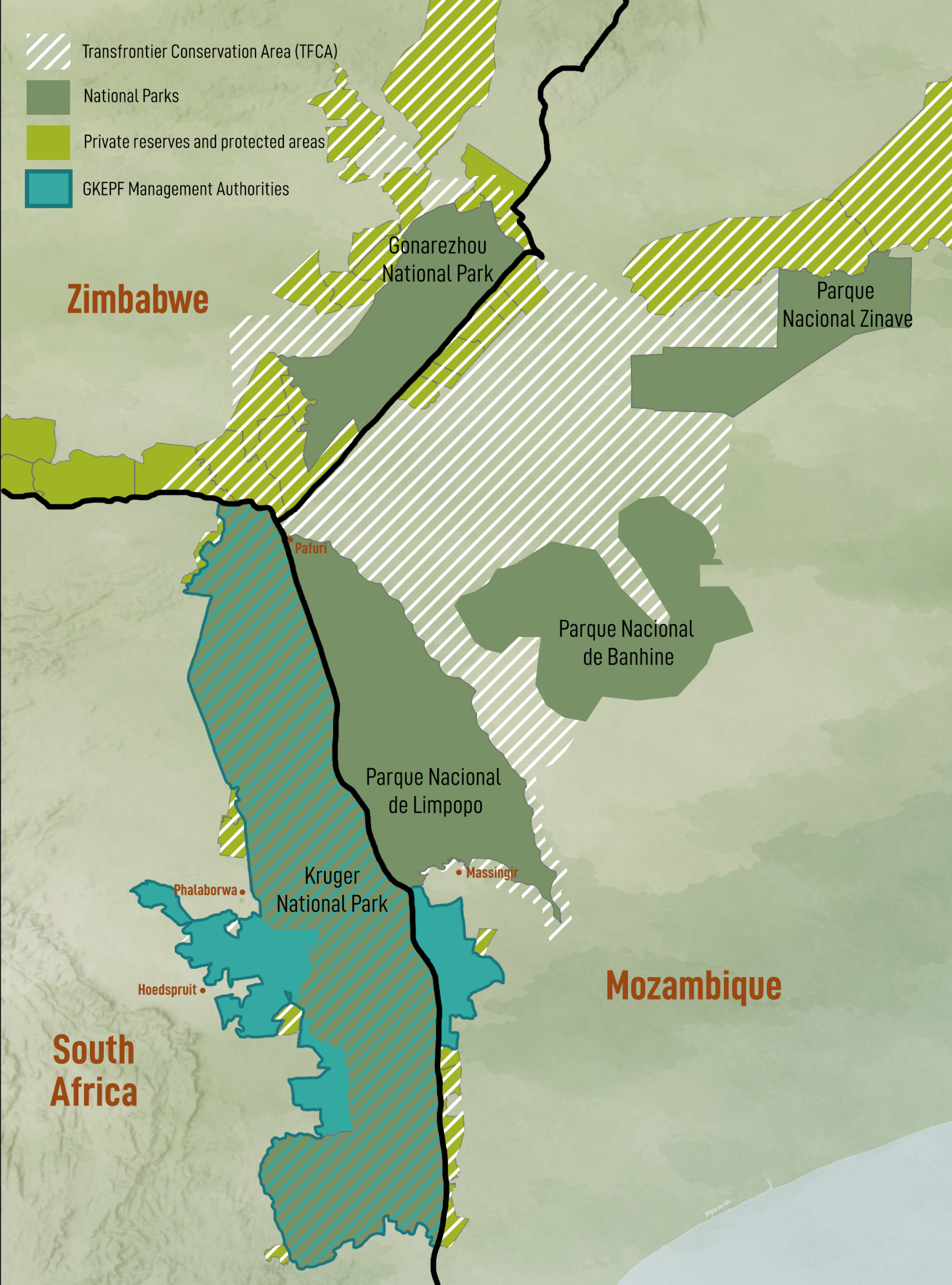
GKEPF contributes to the Greater Limpopo Transfrontier Conservation Area (GLTFCA) framework by strengthening collaboration across national boundaries. This work helps align protection strategies, operational standards, and data sharing between South Africa, Mozambique, and Zimbabwe to support collective landscape security. The GLFTCA designated structures include the Joint Management Committee (JMC) and other thematic committees.
Stakeholder Environment
Management Authorities
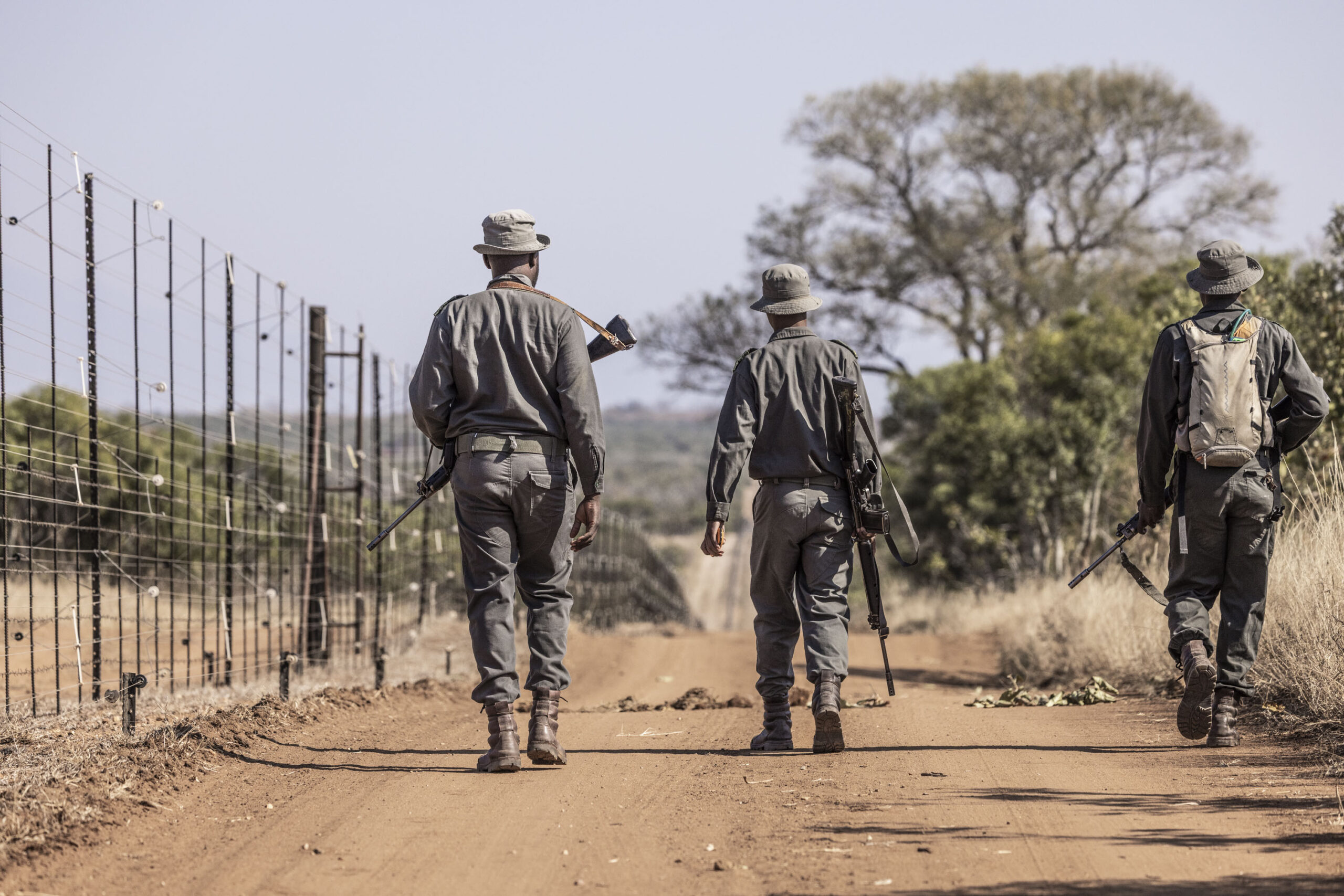
Management Authorities within GKEPF’s jurisdictional sphere of influence include the Associated Private Nature Reserves (Balule Nature Reserve, Klaserie Private Nature Reserve, Timbavati Nature Reserve, Thornybush Nature Reserve and Umbabat Private Nature Reserve), Kapama Private Game Reserve, Karingani (Mozambique), Mala Mala Nature Reserve, Manyeleti Nature Reserve (MTPA), Sabie Game Reserve, Sabi Sands Nature Reserve, Sandringham Reserve, Selati Nature Reserve and SANParks Kruger National Parks.
The Management Authority Committee focuses predominantly on and provides guidance for the GKEPF Protect Programme and GKEPF Prosper Wildlife Management Programme.
Community Beneficiaries
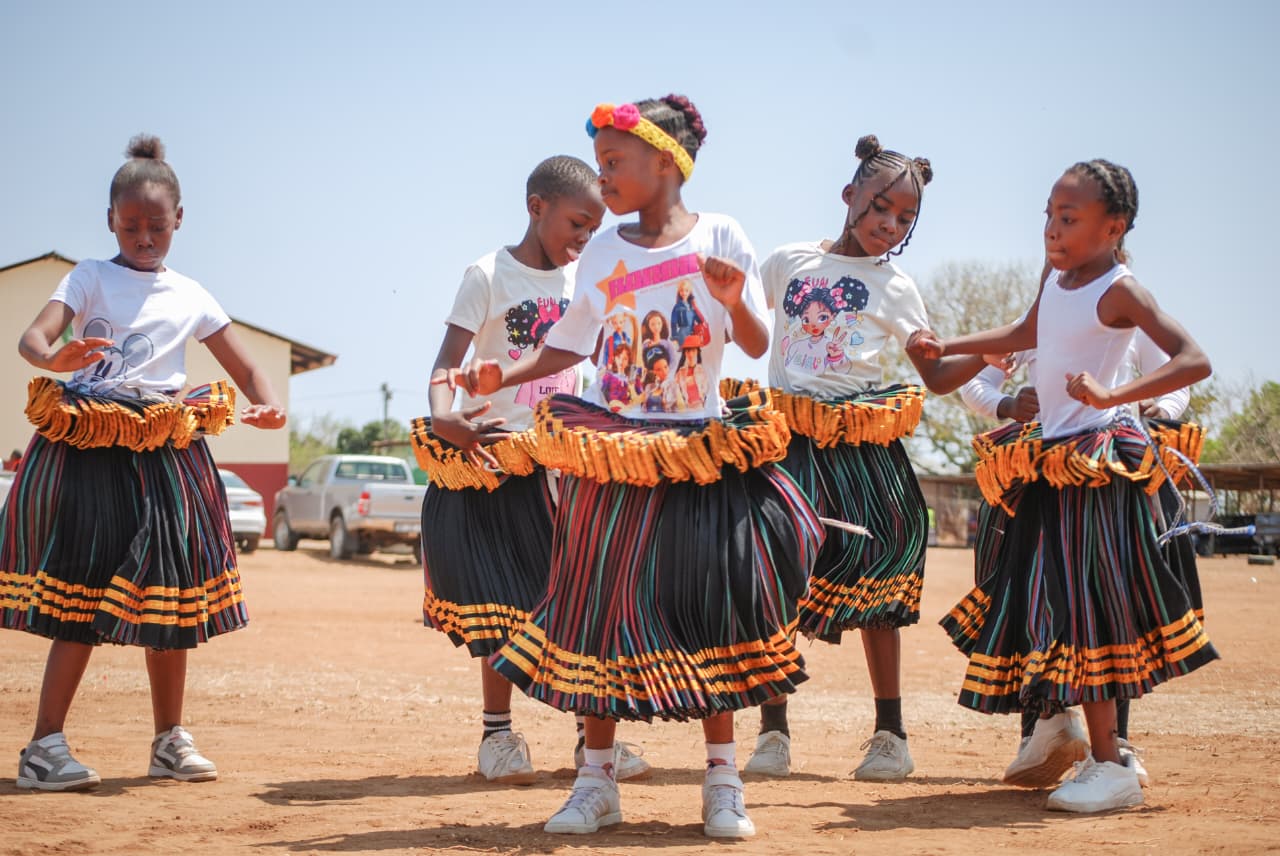
The identification of beneficiaries from GKEPF projects within our sphere of influence is facilitated through collaborating with traditional authorities and communities bordering the GKEPF management authorities and/or other mandated structures. We recognise the importance of traditional authority in conservation and facilitate excursions for community leaders to experience conservation areas first-hand. These visits foster understanding, strengthen relationships, and build trust between conservation managers and traditional governance structures. Further, GKEPF assists in coordinating Community Liaison Groups to provide a form for dialogue to strengthen communication, address shared challenges, and ensure local perspectives are included in conservation decision-making between reserves and neighbouring communities.
Strategic Partners
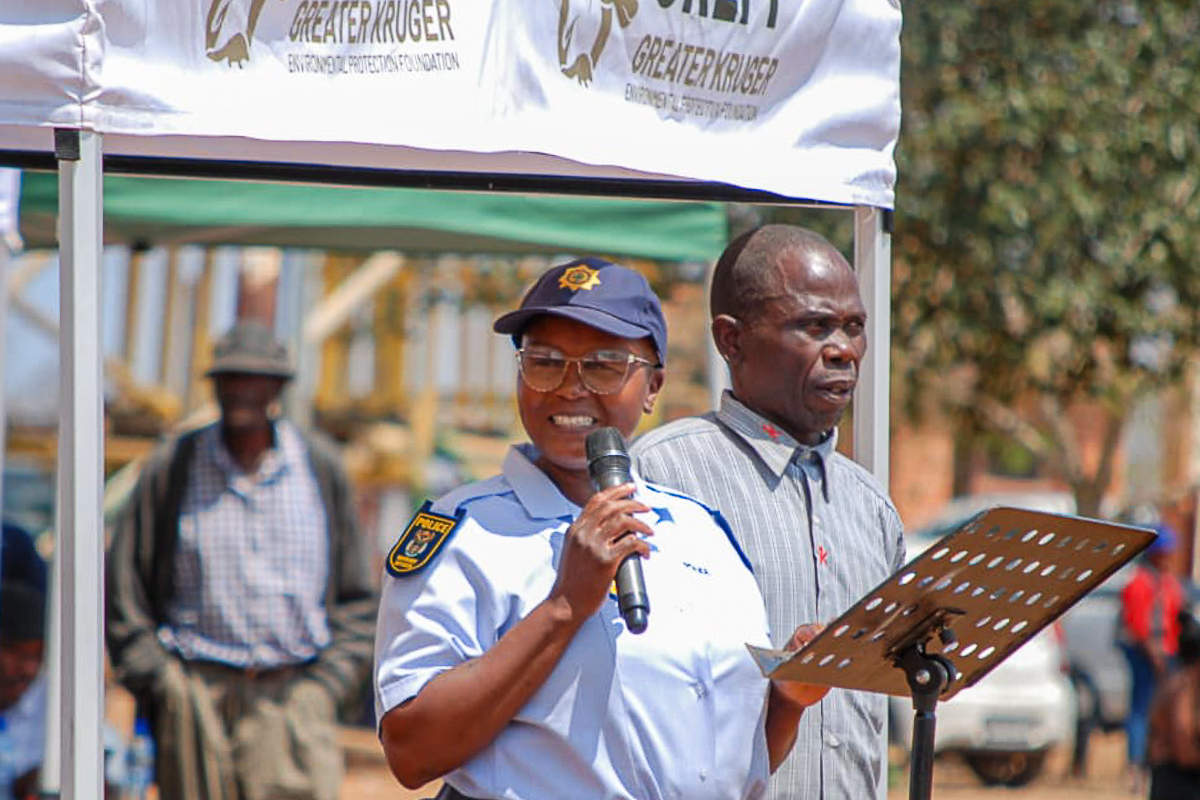
Strategic partner engagements continue throughout the year and take place with various international, national and local government ecology and law enforcement agencies including SANParks, the DFFE, MTPA, SAPS, LEDET and judiciary structures in Limpopo and Mpumalanga, as well as private organisations such as Alinea Network, MWA, BACSA, CDASS and Stop Rhino Poaching. These partnerships bridge private-sector capacity with conservation and security needs, sharing expertise, technology, and data infrastructure to improve law enforcement collaboration and strengthen the response to organised environmental crime.
Key Enabling Partners required for project implementation support include the Kruger 2 Canyons Biosphere Region (K2C BR), state veterinary services, our many donors and various other non-governmental organisations (NGOs).
NGO & Research Partnerships
African Parks
Contemplate Wild
Endangered Wildlife Trust
Nelson Mandela University
Peace Parks Foundation
Southern African Wildlife College
Stop Rhino Poaching
University of Cape Town
Wits Rural Facility
Our Programme Investment
2025
News & Stories
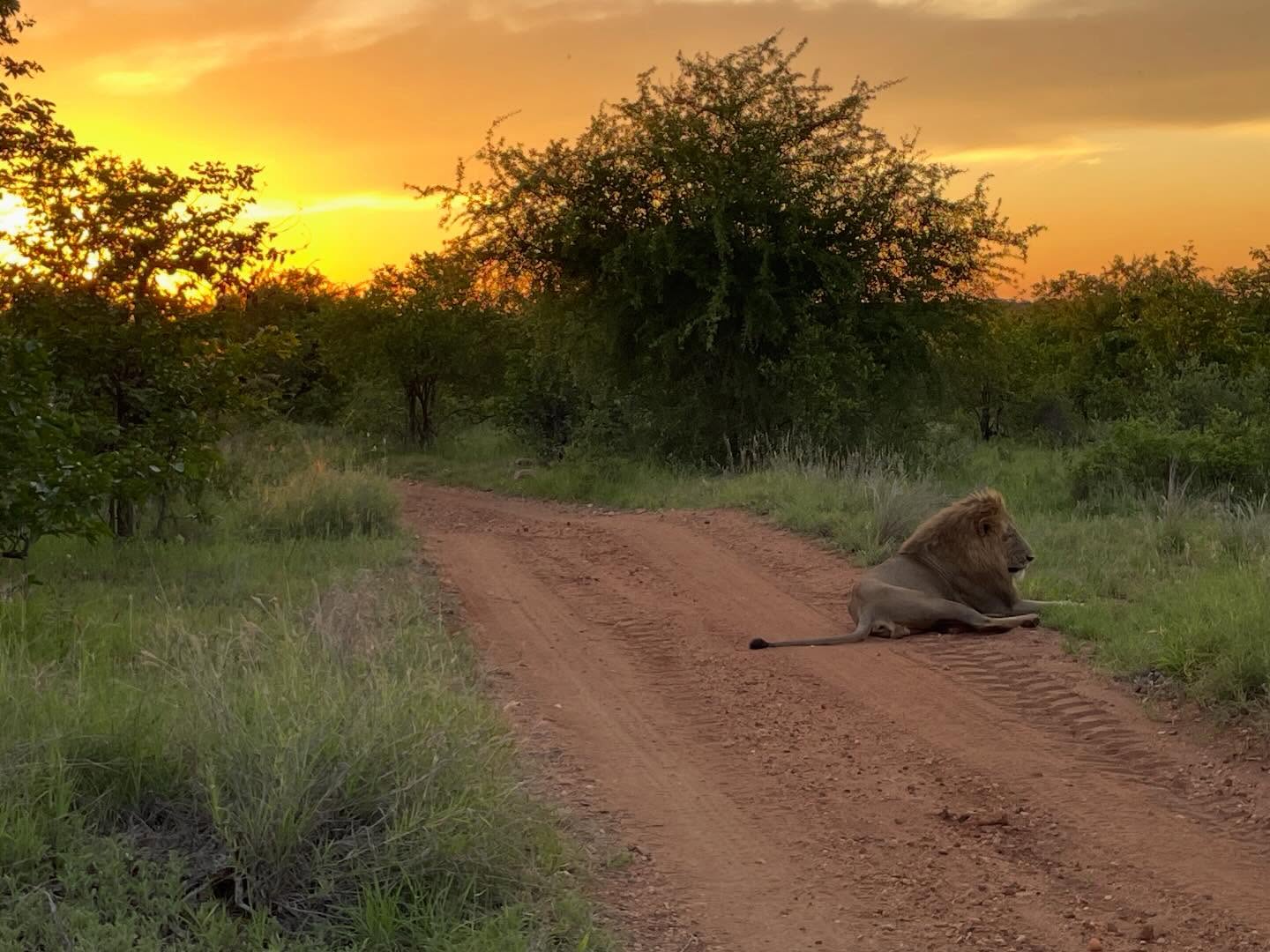
Partner Spotlight: Umbabat Private Nature Reserve
Surrounded by Kruger National Park, Timbavati Nature Reserve and Klaserie Private Nature Reserve, with no fenced boundaries separating them, Umbabat […]
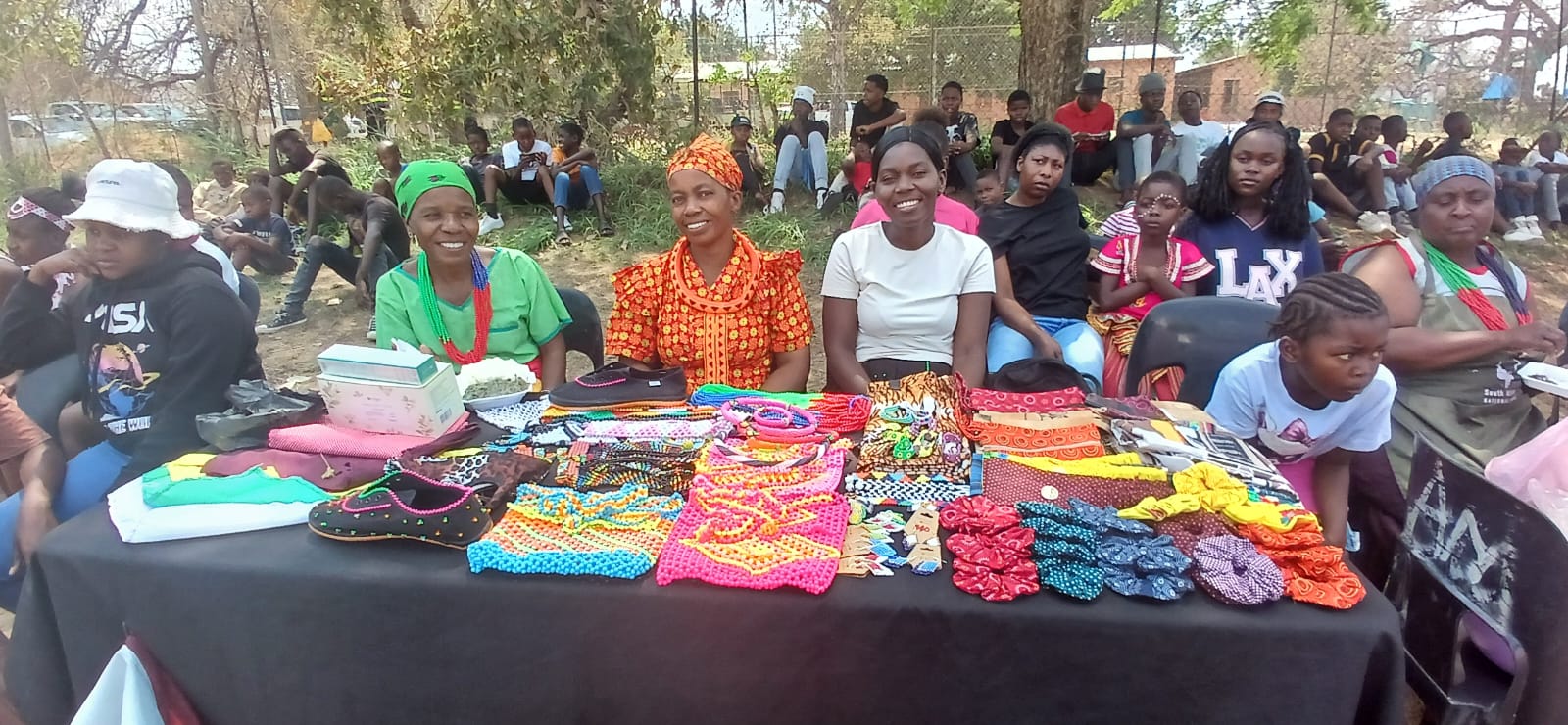
Heritage Day Gathering Brings Environmental and Social Crime Awareness to Justicia
Around 2,000 community members and representatives from government, conservation and community organisations gathered at Babat Primary School in Justicia on […]
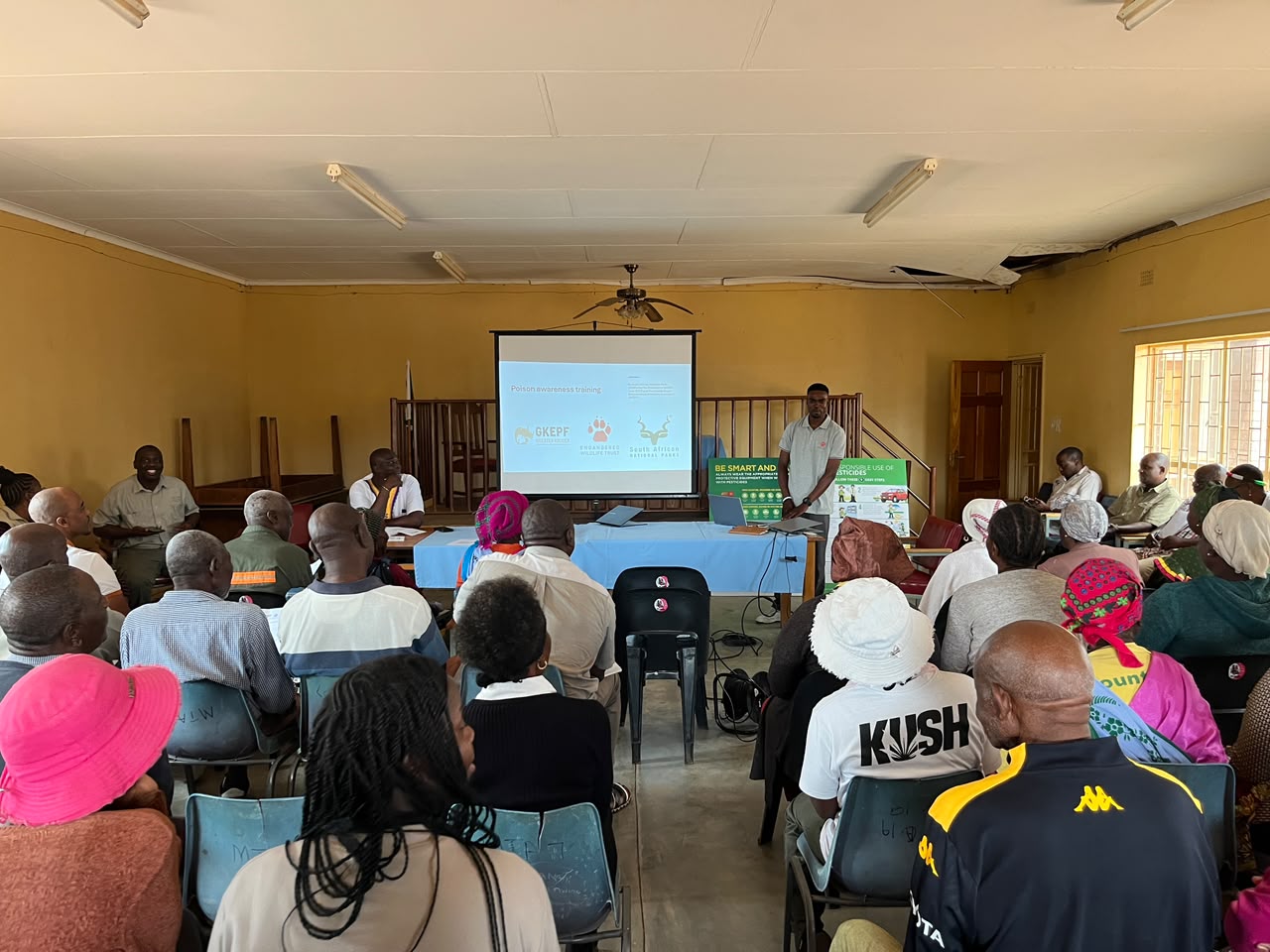
Communities and Conservation Partners Tackle Poisoning and Snaring
From 14 to 18 September, communities along the western boundary of Kruger National Park came together with conservation partners, government […]