
Prosper
Uniting communities around conservation opportunities for social and ecological resilience
Prosper
Uniting communities around conservation opportunities for social and ecological resilience
Our Prosper Programme
Building social and ecological resilience for wildlife and people
We foster resilience and prosperity by uniting communities around species and ecosystem stewardship. Projects are identified through consultation with management authority structures and identified partners, and for their relevance to addressing wildlife crime and the illegal wildlife trade. By linking opportunity to environmental protection through programmes such as youth sport, awareness campaigns, and inclusive planning processes, GKEPF helps foster stability and shared purpose. These collaborative projects strengthen social bonds, build pride in the landscape, and nurture ecological balance to create conditions where both people and wildlife can thrive. This shared resilience ensures that future generations inherit safer landscapes rich in biodiversity, opportunity and dignity.
Our Focus Areas
Create pathways for people and wildlife to prosper side by side
Prosperity in the Greater Kruger depends on people being part of the conservation story. GKEPF supports initiatives that strengthen social resilience, foster inclusion, and create meaningful connections between conservation and opportunity. Our prosper programmes are designed to inspire the next generation of conservation ambassadors while promoting unity and shared purpose across neighbouring communities.
Increase ecological resilience for thriving wildlife populations
We aim to increase biodiversity value and ecological stability by supporting wildlife populations, responsible resource use, and collaborative landscape stewardship. Key plans and projects include wildlife management of key species, human wildlife co-existence and sustainable resource projects, as well as supporting community stewardship through fence monitoring projects and eco-ranger projects.
Strengthen social resilience through co-creation and stewardship for improved well-being
We aim to understand community perspectives and priorities as part of the conservation story. Community meetings and participation in local developments and employment processes further reinforce trust and collaboration. By addressing social vulnerabilities that can lead to wildlife crime and supporting dialogue that aligns local well-being with conservation outcomes, GKEPF helps build a landscape where people and nature can prosper together. Our projects aim to strengthen social cohesion, custodianship, and inclusive opportunity so that communities are active partners in conservation. Key plans and projects include conservation and awareness education from careers days, debates and mentorship programmes, financial literacy training, sports programmes, SMME development and gender inclusive projects.

Prosper Programme
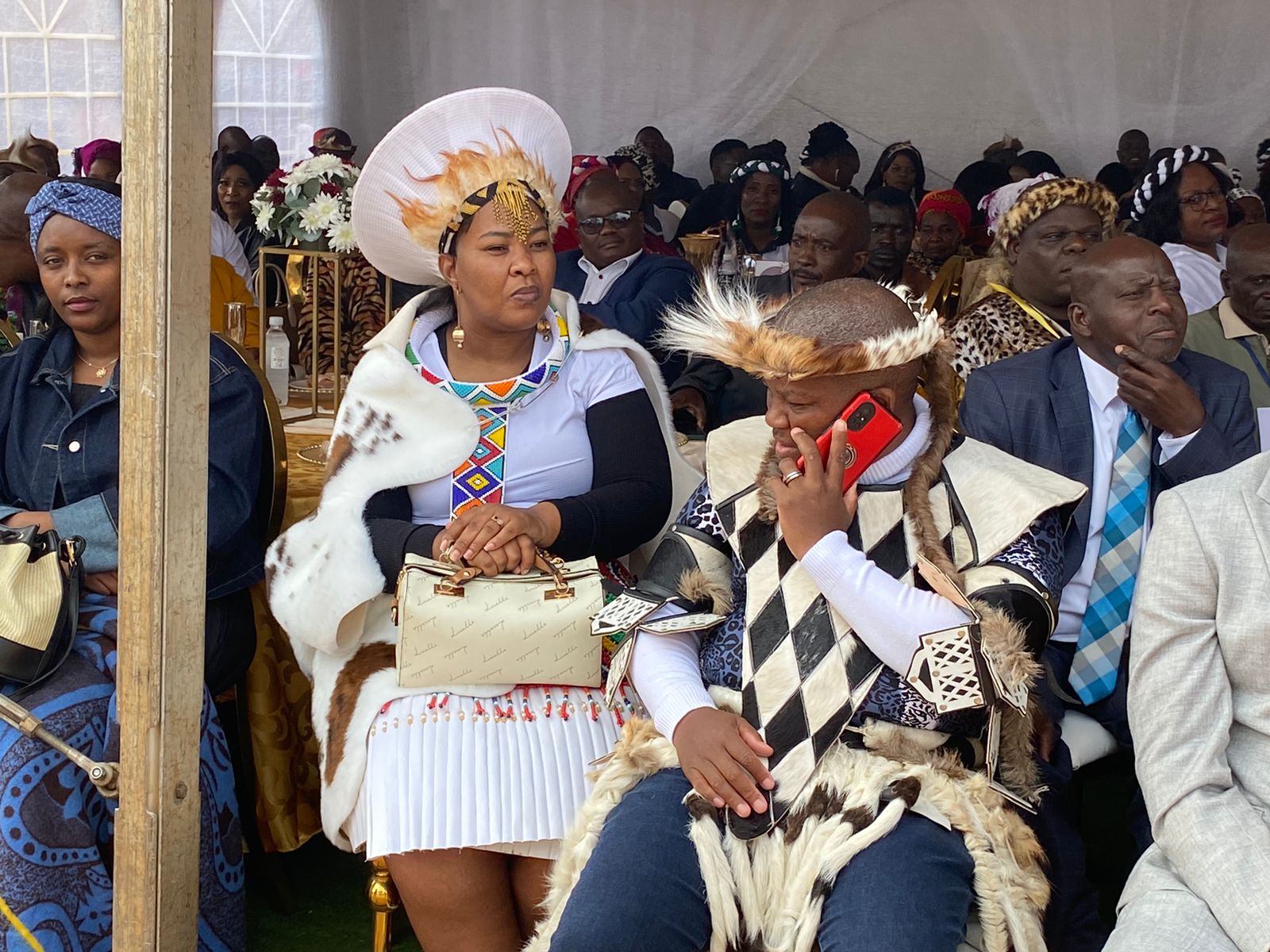
Community Stewardship & Enterprise
GKEPF works with members and partners to translate community engagement into tangible opportunity. Community meetings and participation in local developments and employment processes further reinforce trust and collaboration. By addressing social vulnerabilities that can lead to wildlife crime and supporting dialogue that aligns local well-being with conservation outcomes, GKEPF helps build a landscape where people and nature can prosper together. This includes linking conservation initiatives to skills development, enterprise, and employment pathways that strengthen livelihoods and reduce reliance on unsustainable resource use. By aligning opportunity with conservation, these partnerships help foster stability and pride in protecting the Greater Kruger landscape.

Environmental Awareness Campaigns
Throughout the year, GKEPF partners with management authorities and community leaders to deliver targeted awareness campaigns on conservation, climate change, and wildlife protection. These initiatives create space for dialogue, inspire action, and promote shared responsibility for the Greater Kruger’s natural heritage. Examples include the Anti-Rhino-Poaching Awareness campaign with SAPS in September each year.
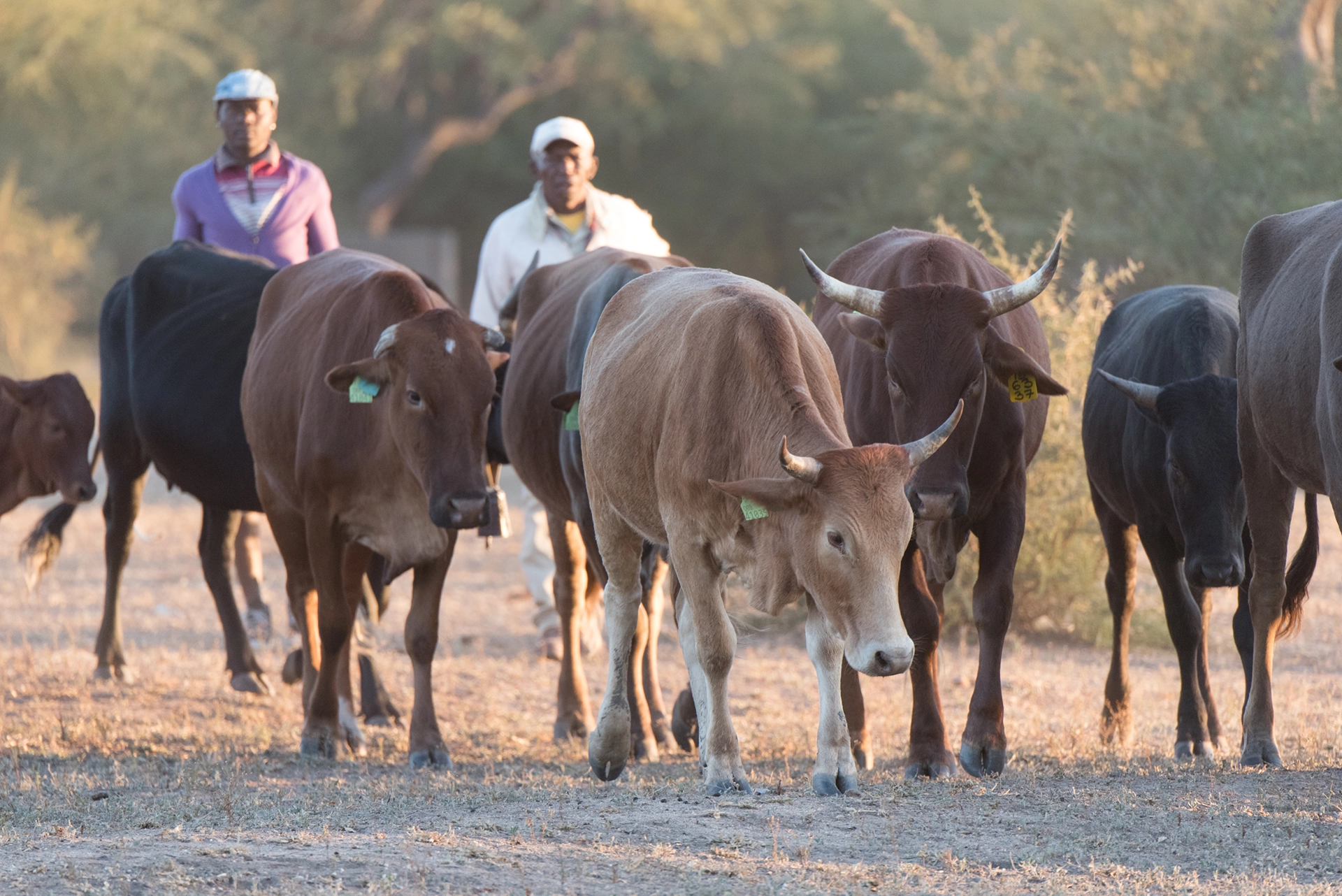
Human-Wildlife Coexistence & Bushmeat Monitoring
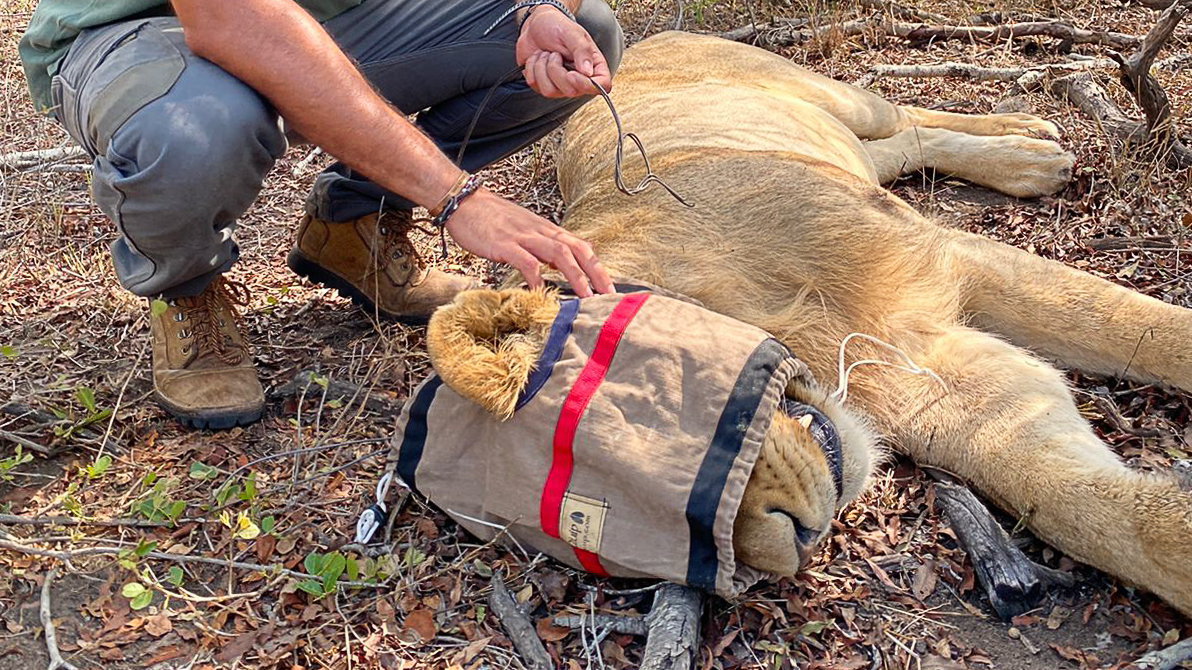
Protecting wildlife also means protecting communities. GKEPF supports management authorities with veterinary assistance, emergency response, and conflict-mitigation measures within communities that reduce risks to both people and animals. We further monitor bushmeat poaching and poisoning to ensure the appropriate response.

Research – Project FIRE
Project FIRE (Fuel, Ignition, Response, Education) is a collaborative initiative designed to raise awareness and understanding around dehorning as a rhino protection strategy. The project brings together reserve staff, communities, and partners to improve communication, reduce misinformation, and build shared support for rhino security operations. By focusing on education, transparency, and inclusion, Project FIRE helps strengthen trust and understanding across the landscape.
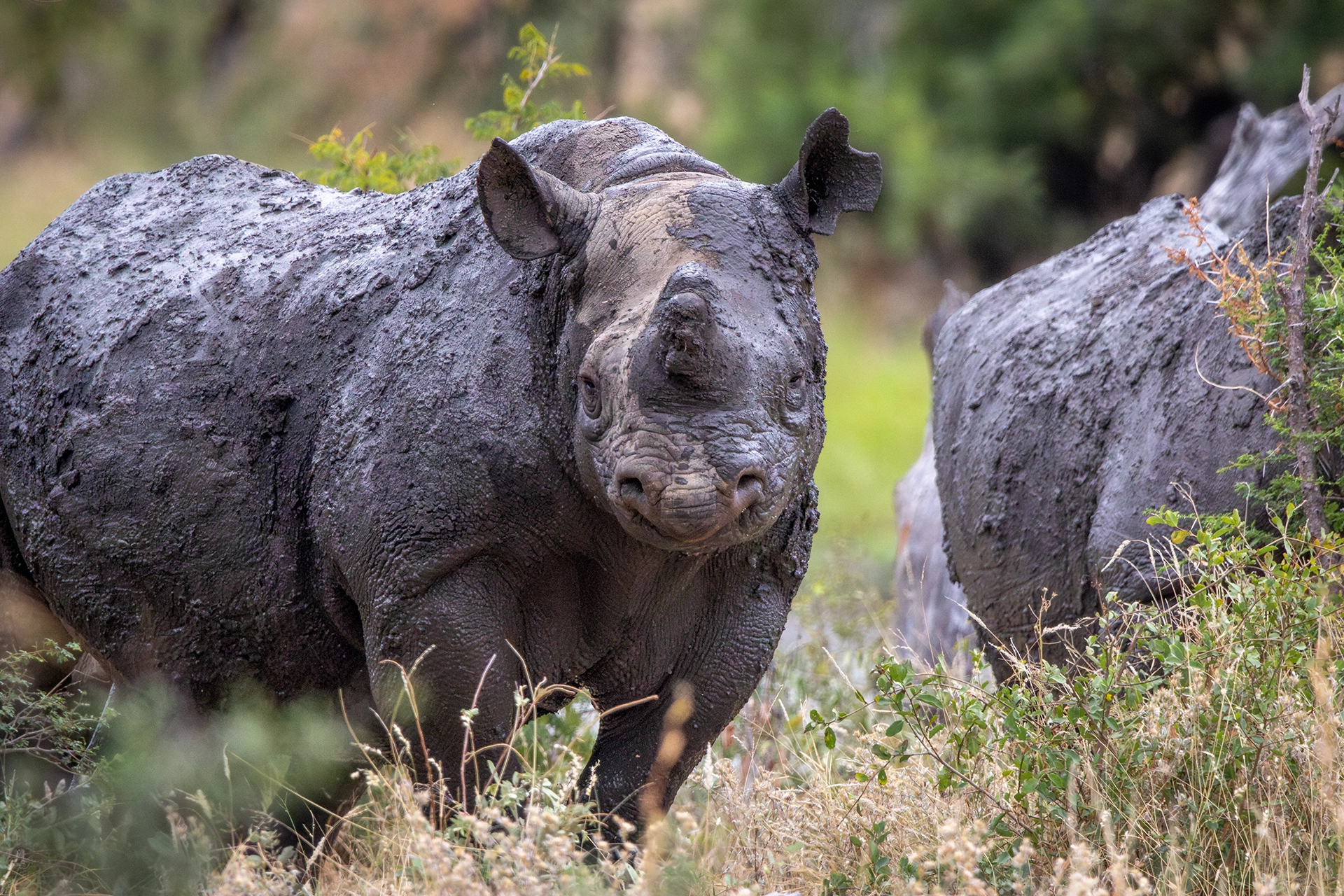
Rhino Management Group
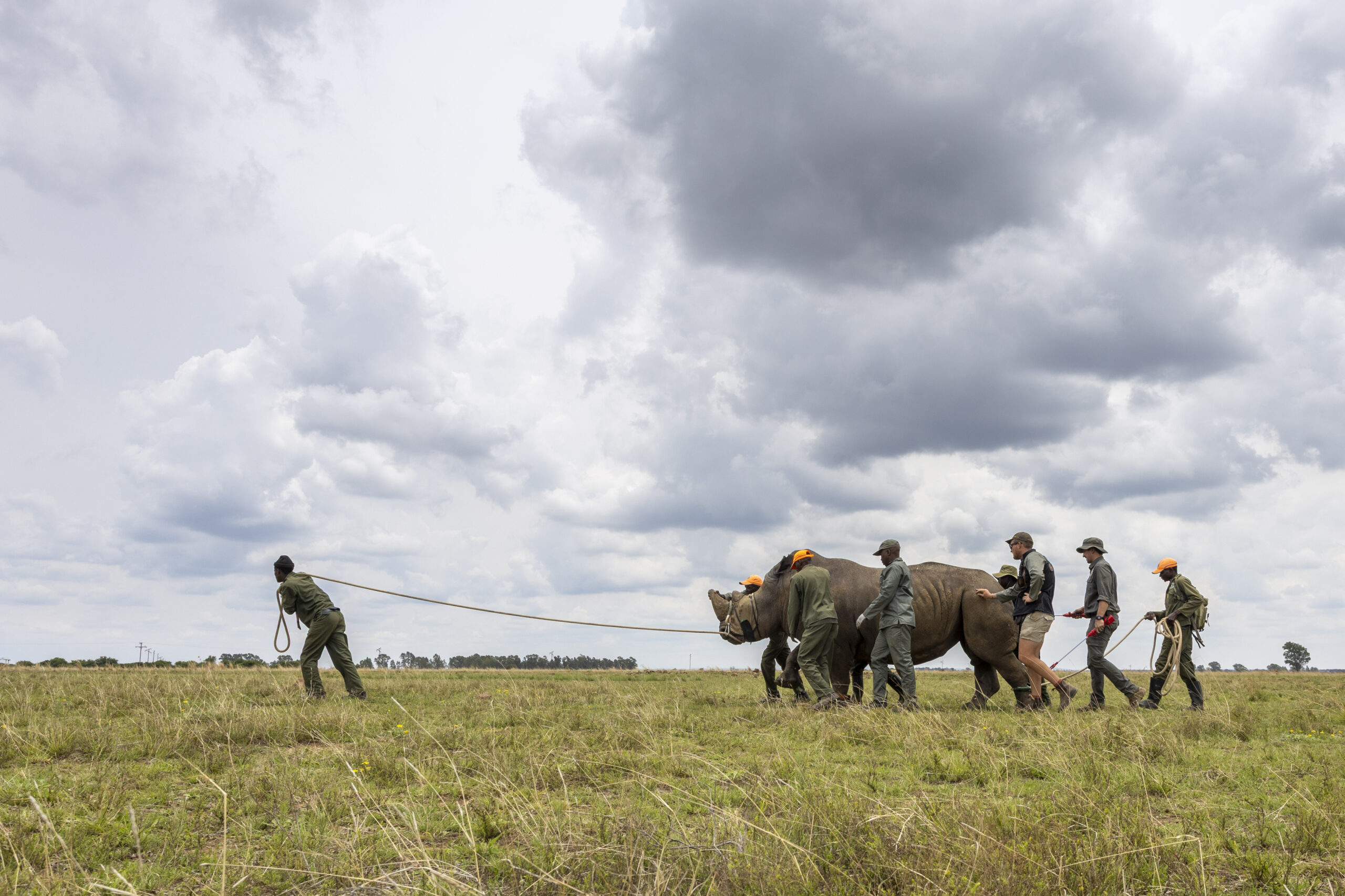
GKEPF supports the Management Authority’s Rhino Management Group to create unified, data-driven management of the Greater Kruger rhino meta-population. This collaboration aligns protection strategies, monitoring standards, and conservation decisions across multiple jurisdictions.
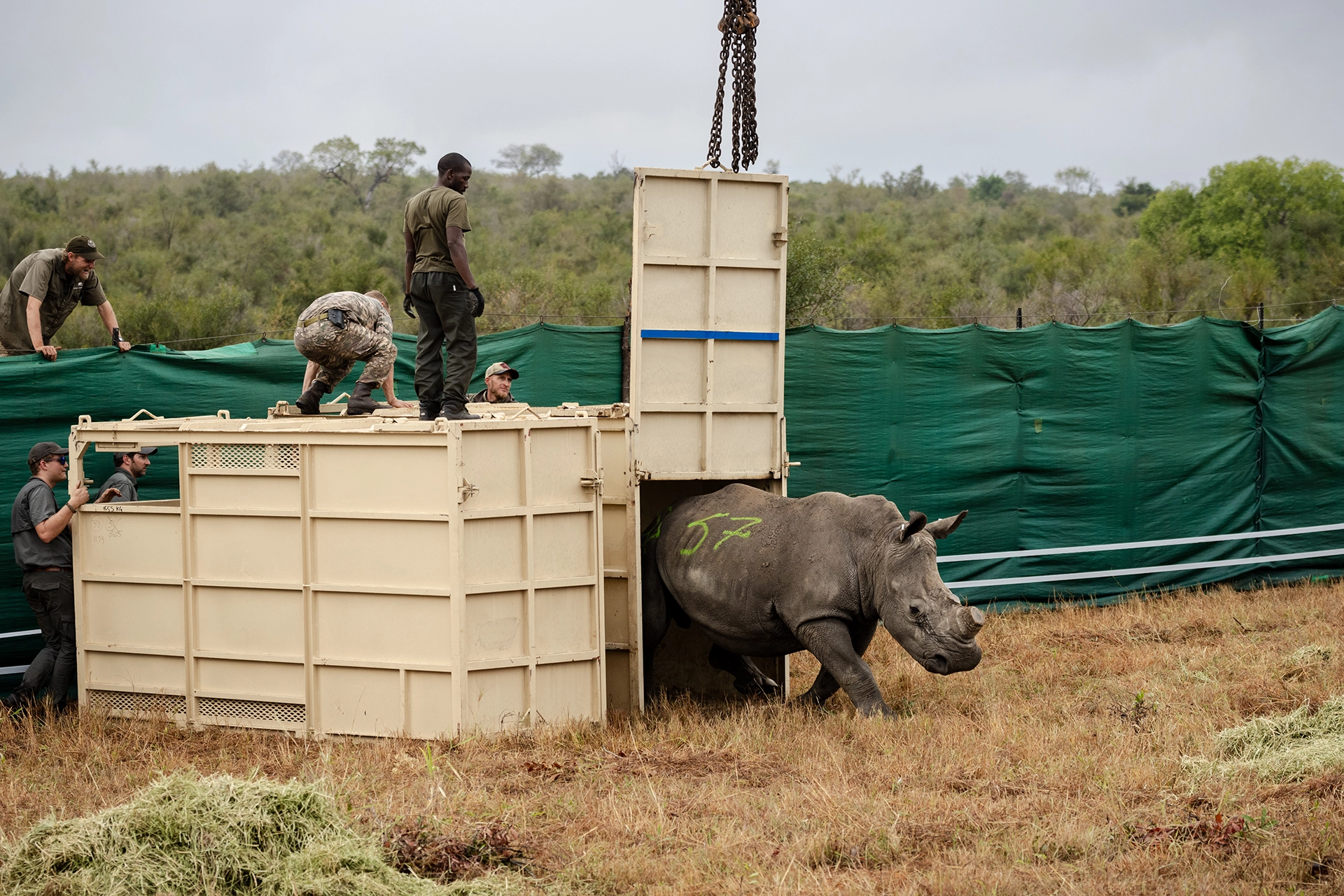
Rhino Translocations
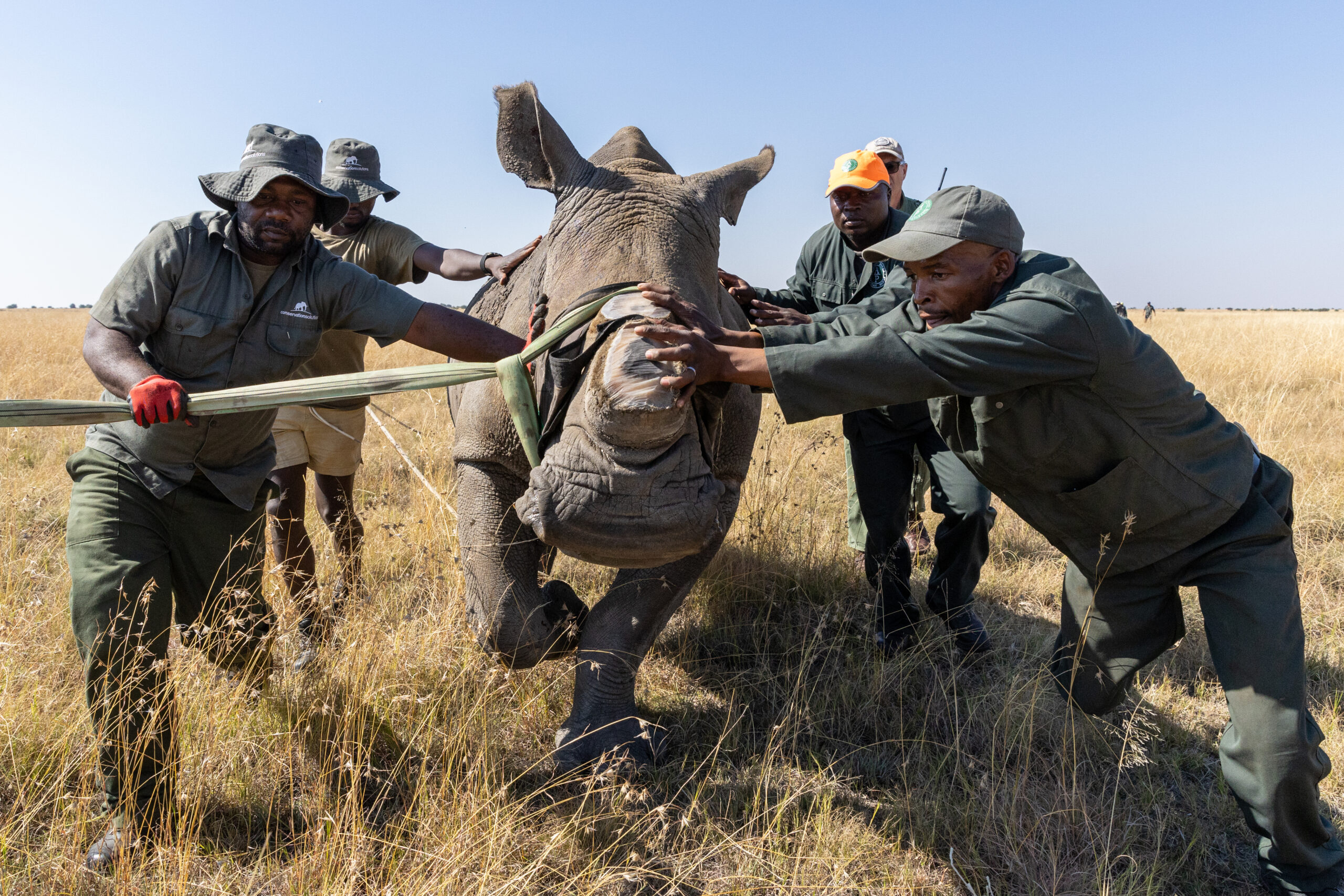
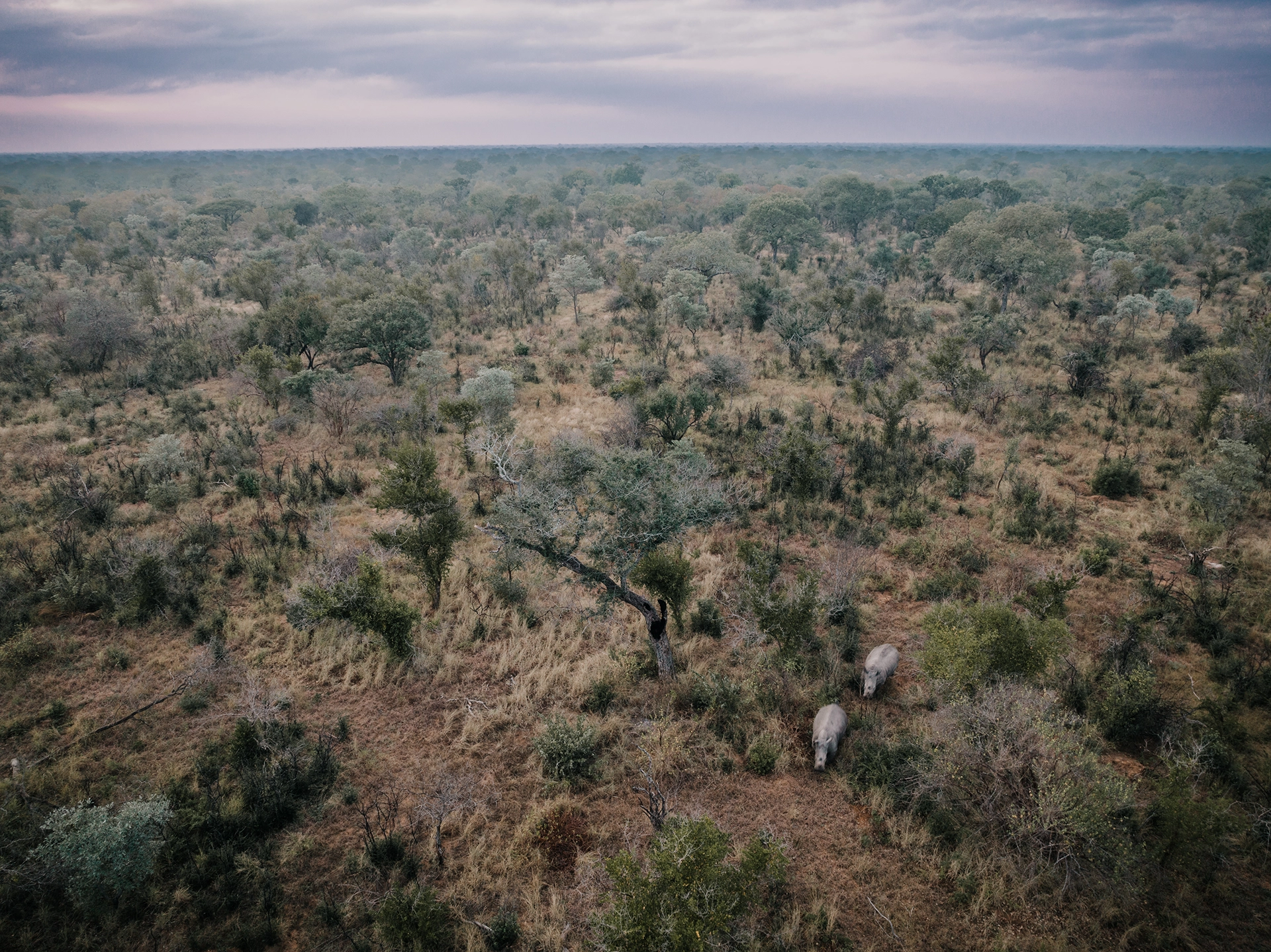
Rhino translocations and reintroductions represent a major milestone in re-establishing secure populations across the Greater Kruger landscape. Through coordinated planning, monitoring, and protection, 300 white rhinos are returned to well-managed habitats under the watch of trained rangers and partner reserves. The project takes place as part of African Parks Rhino Rewild initiative.
Research – Rhizome Landscape Survey
The Rhizome Survey explores community perceptions of conservation, wildlife, and security across the Greater Kruger landscape. The findings help partners understand local priorities, challenges, and opportunities, informing programmes that build trust, inclusion, and long-term resilience.

Sport for Conservation Programme
The GKEPF Sport Programme runs throughout the year and uses soccer and netball as vehicles for building unity, landscape pride and opportunity. The programme brings together ranger teams and community teams to share experiences. By celebrating talent and teamwork, the programme connects young people to conservation messaging, teaches skills and showcases how healthy competition can drive collective purpose throughout communities. The programme culminates at the end of the year with the JMF Under-19 Cup at Thulamahashe Stadium.
Wildlife Population Management
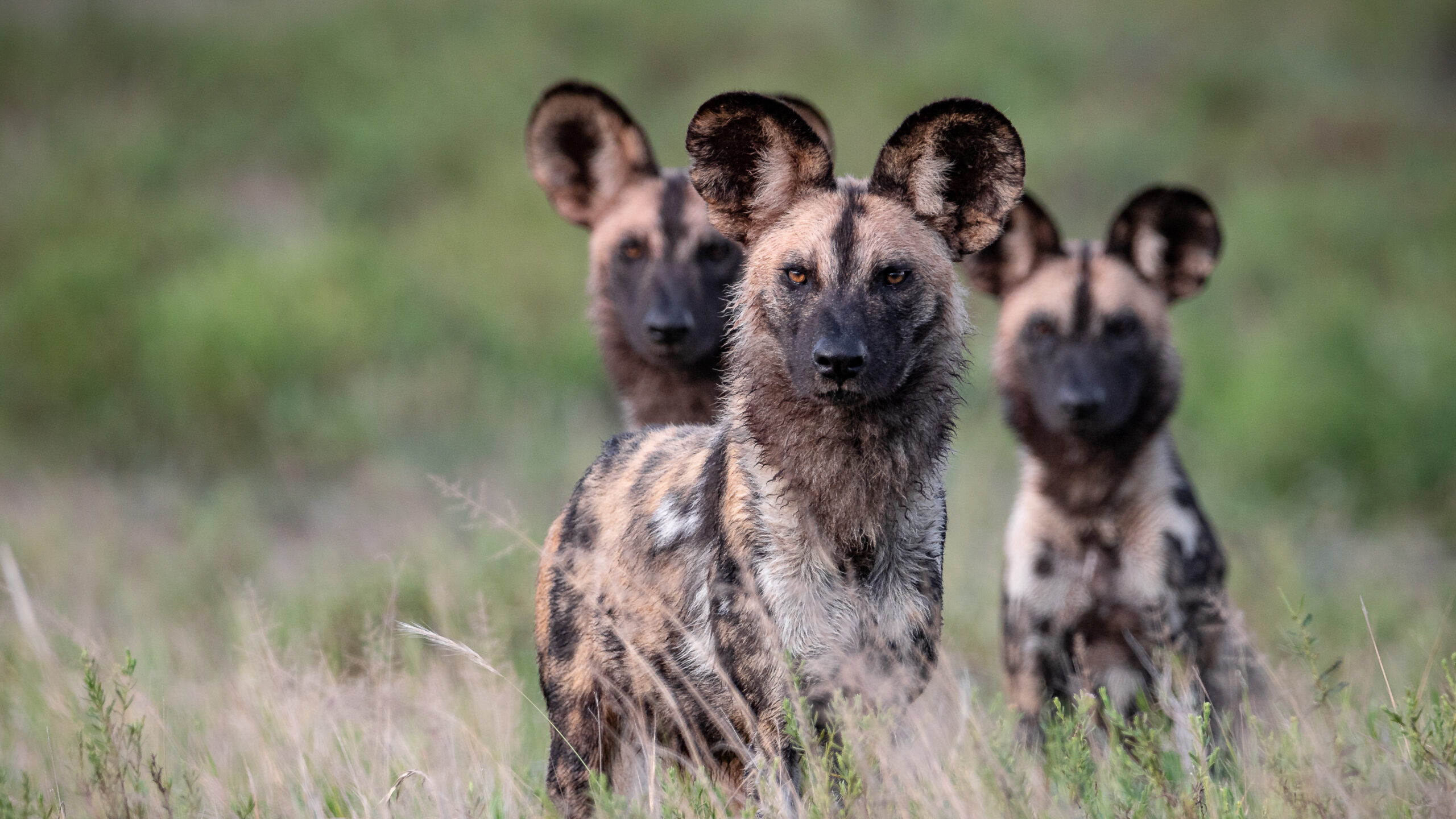
Keystone species including large herbivores, large carnivores and other threatened and endangered species are monitored, and collective projects are identified to assist with wildlife population management. An example, was the translocation of 300 white rhino into the private reserves on the western boundary of the Greater Kruger throughout 2024 and 2025.
Youth Development
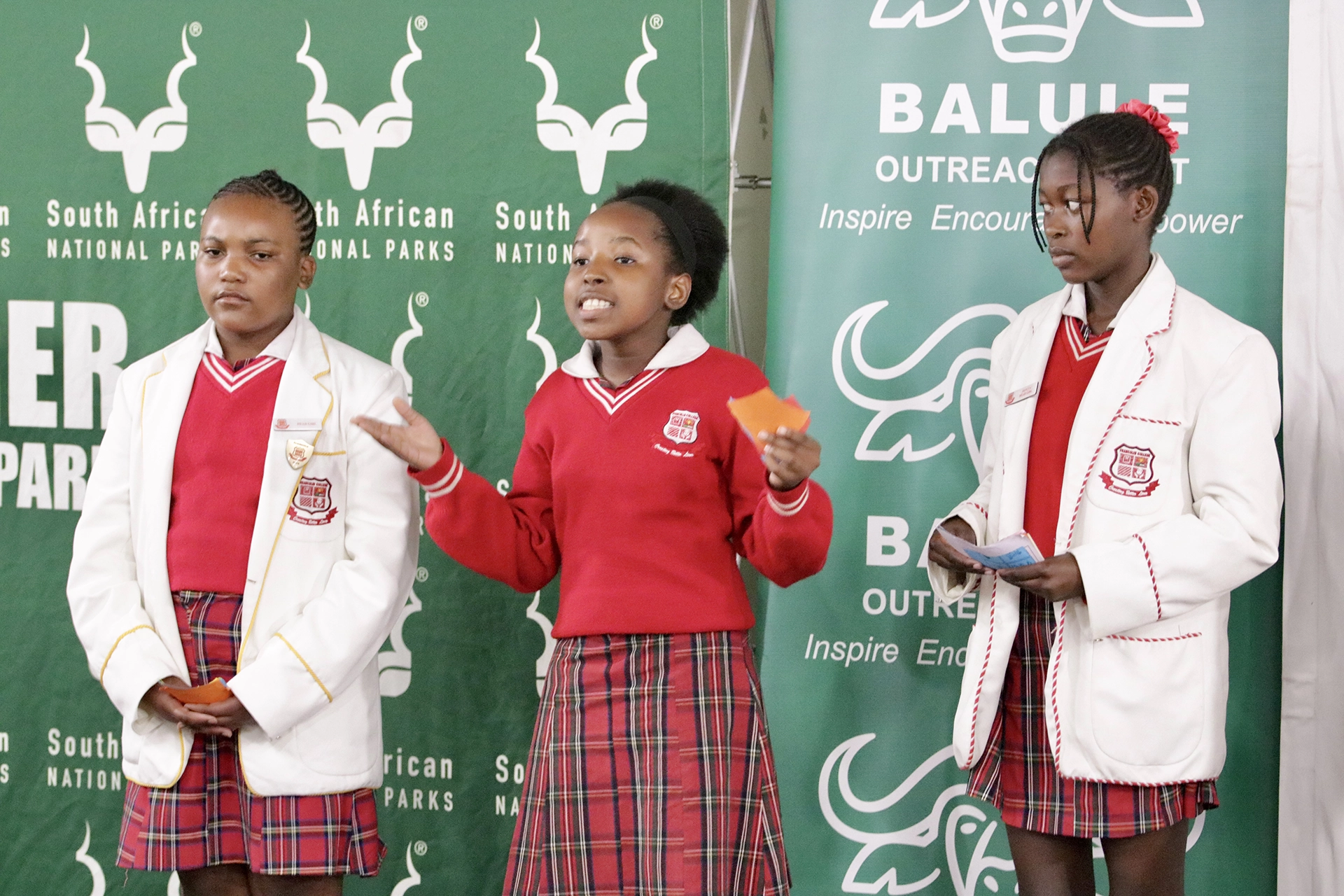
GKEPF aims to educate and encourage the youth into conservation career paths and away from crime. We support a number of youth development programmes including careers days, public speaking and debate competitions for primary and high-school learners and eco-ranger excursions. These opportunities focus on awareness, building confidence and the long-term opportunities offered by conservation. Excursions are hosted by management authorities, combining education with direct exposure to protected areas.
Our Programme Investment
2025
News & Stories
Partner Spotlight: Umbabat Private Nature Reserve
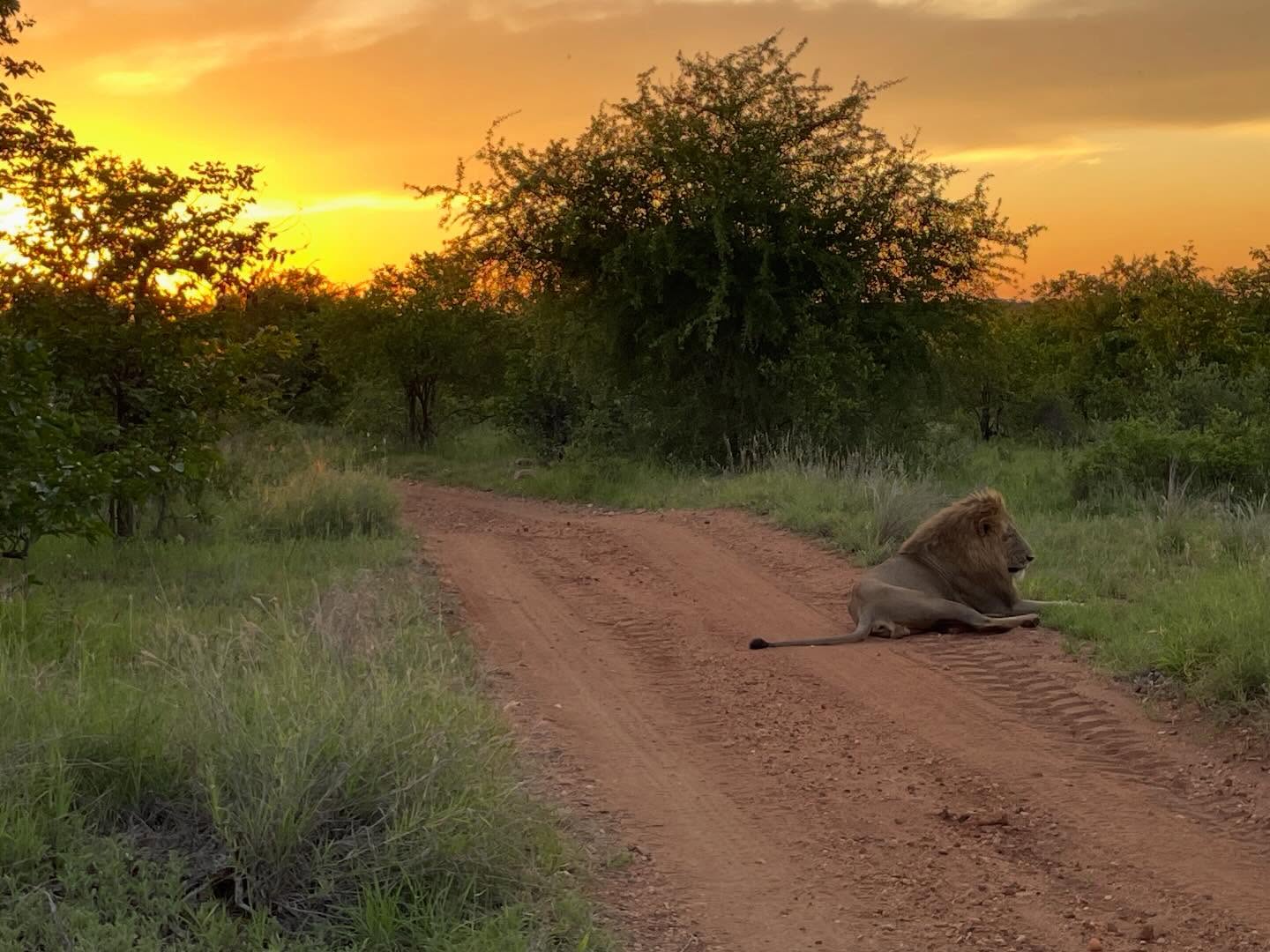
Surrounded by Kruger National Park, Timbavati Nature Reserve and Klaserie Private Nature Reserve, with no fenced boundaries separating them, Umbabat […]
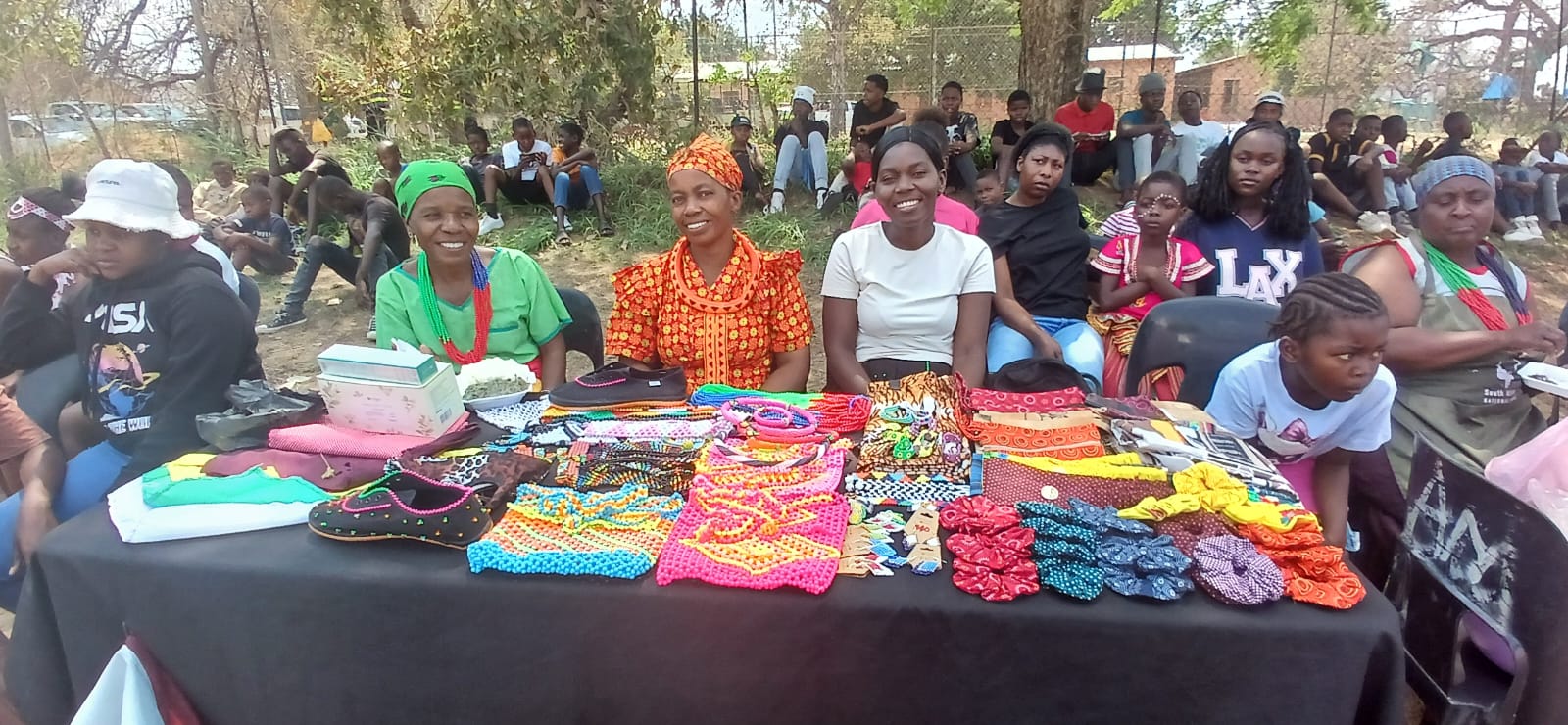
Heritage Day Gathering Brings Environmental and Social Crime Awareness to Justicia
Around 2,000 community members and representatives from government, conservation and community organisations gathered at Babat Primary School in Justicia on […]
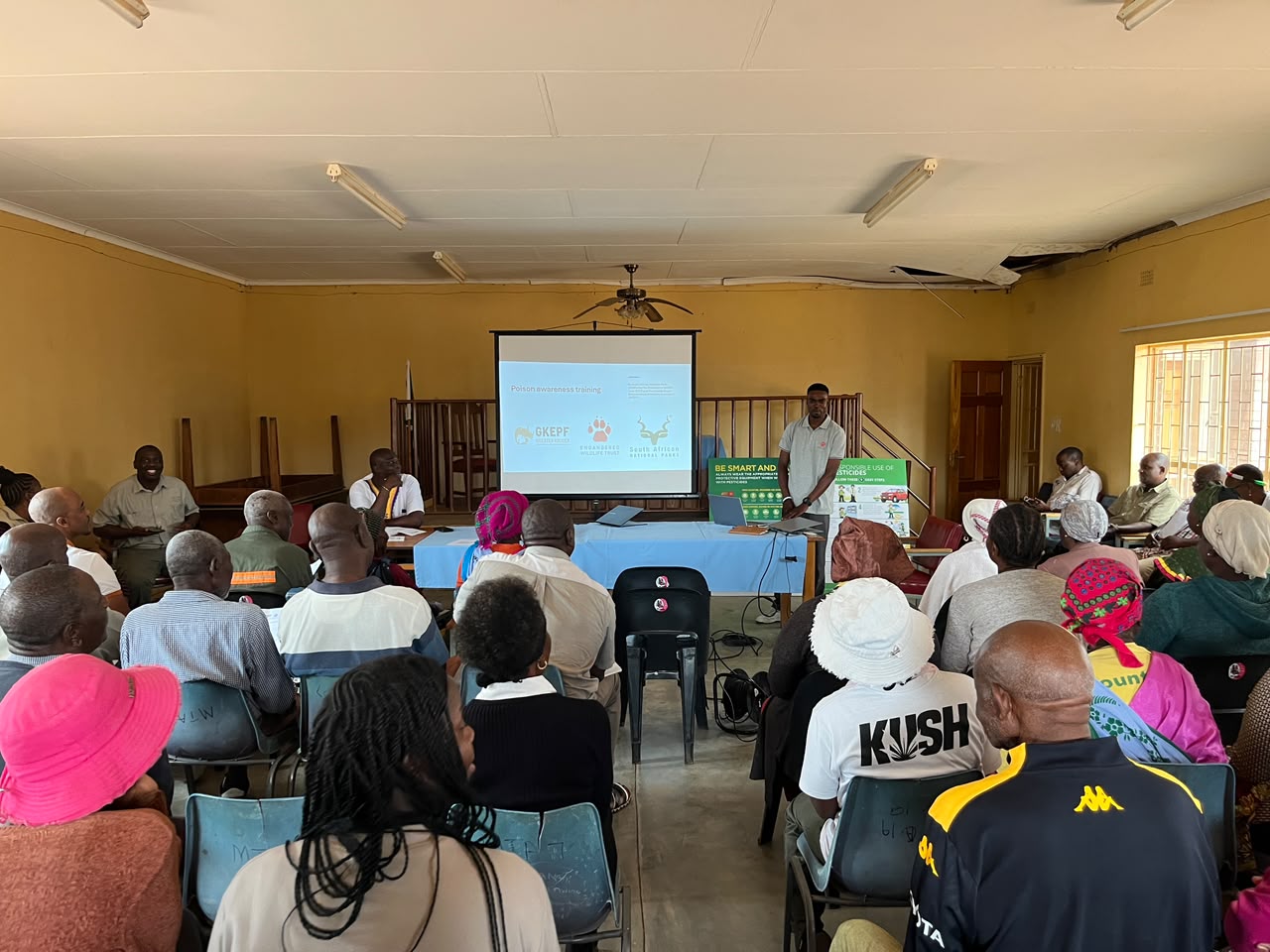
Communities and Conservation Partners Tackle Poisoning and Snaring
From 14 to 18 September, communities along the western boundary of Kruger National Park came together with conservation partners, government […]