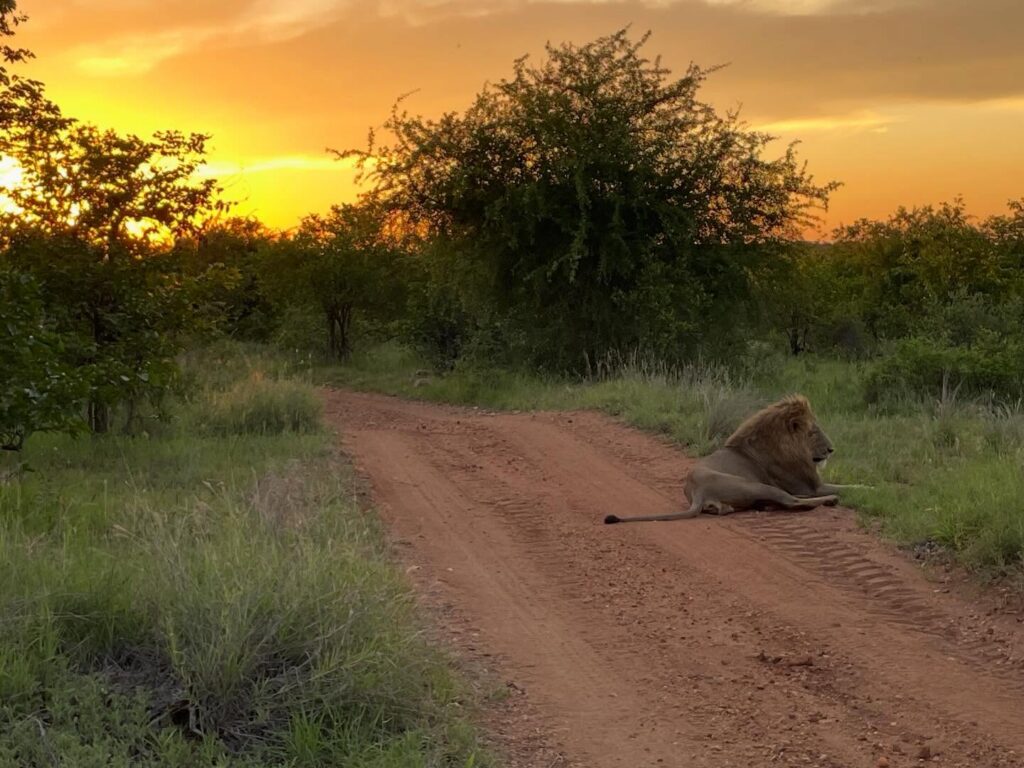
Surrounded by Kruger National Park, Timbavati Nature Reserve and Klaserie Private Nature Reserve, with no fenced boundaries separating them, Umbabat Private Nature Reserve sits quite literally within the heart of the Greater Kruger.
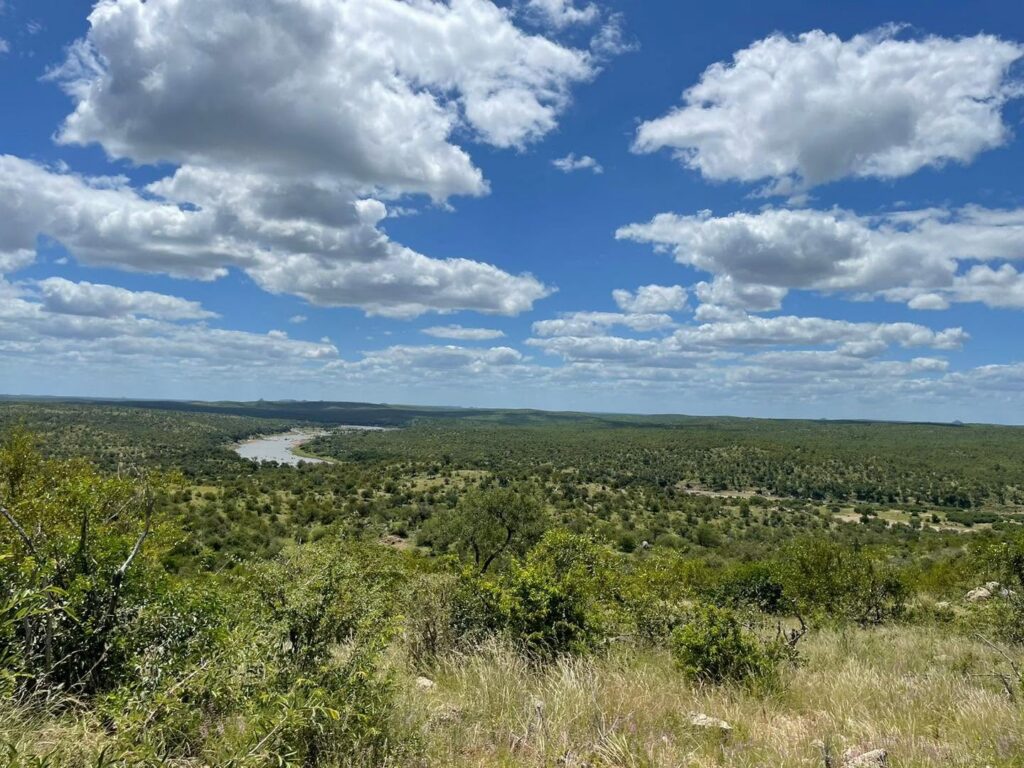
Today the reserve protects approximately 18,000 hectares, but Umbabat began on a much smaller scale. Proclaimed in 1969 at approximately 7,500 hectares, the reserve expanded over the following decades as additional properties became part of Umbabat. In 1993, the fences between Umbabat and Kruger National Park came down, connecting the reserve to the wider open system and allowing wildlife to move freely across boundaries.
For Wimpie Pretorius, Warden, this position is one of the things that makes Umbabat particularly distinctive.
“Umbabat is unique in the sense that we have no fenced boundaries. With Kruger National Park north and east of us, Timbavati south and Klaserie west, we are completely surrounded by protected areas, truly the ‘Heart of the Greater Kruger’.”
Umbabat itself is also the product of collaboration. Its history brought together a collection of properties and entities under the broader reserve, each with its own identity and history. Creating a unified approach has taken time, but Pretorius says almost all of Umbabat’s properties are now working in the same direction, with a common goal of protecting the reserve and putting conservation first.
Conservation Without Boundaries
Being part of an open system brings a degree of unpredictability that has become part of Umbabat’s character.
“The fact that it’s an open system is great in the sense that you never fully know what to expect.”
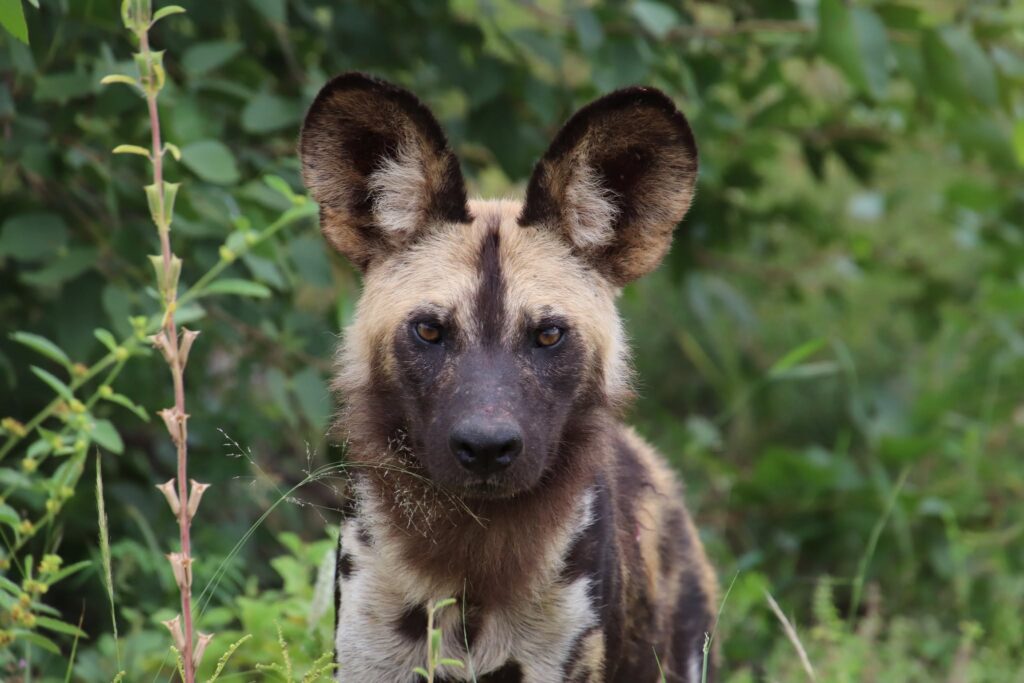
Lions, wild dogs and all wildlife can move into and out of the reserve as part of a much larger connected landscape. While this creates an exciting and dynamic environment, it also presents challenges for monitoring and wildlife protection. Animals may range across large areas and multiple protected areas, making collaboration between neighbouring reserves an important part of effective management.

Understanding these movements is currently one of Umbabat’s conservation priorities. The reserve is working to improve its understanding of predator movements, including through a partnership with the Endangered Wildlife Trust focused on wild dogs.
The value of monitoring wildlife across an open landscape was also demonstrated earlier this year when the GKEPF Airwing detected the tracking signal of a Southern Ground-Hornbill during a patrol flight over Umbabat. The bird had been rehabilitated and released on the reserve in 2024 but had not been seen or detected for 17 months. Tracking data later showed that it had ranged across approximately 280 km², spending much of its time in Kruger National Park, before being rediscovered as part of a group of three birds.
The value of monitoring wildlife across an open landscape was also demonstrated earlier this year when the GKEPF Airwing detected the tracking signal of a Southern Ground-Hornbill during an aerial monitoring flight over Umbabat. The bird had been rehabilitated and released on the reserve in 2024 but had not been seen or detected for 17 months. Tracking data later showed that it had ranged across approximately 280 km², spending much of its time in Kruger National Park, before being rediscovered as part of a group of three birds.
The reserve hopes to build on this work by becoming involved in more research projects in the coming years.
As Pretorius explains:
“The biggest priority would be to increase the amount of research projects we get involved in to gain a better understanding of the environment we live in and for us to be able to manage our reserve to the best of our abilities, and also through that enhance the value we have to our neighbouring protected areas.”
Working Across the Greater Kruger
That same emphasis on working beyond individual reserve boundaries extends to Umbabat’s involvement with GKEPF.
As a GKEPF Management Authority, Umbabat collaborates with GKEPF and neighbouring protected areas not only on wildlife protection and security, but increasingly through broader wildlife management across the landscape.
Pretorius highlights GKEPF’s wildlife management committees as one of the ways Umbabat can contribute to discussions and coordinated approaches beyond its own boundaries. The reserve is also looking for opportunities to increase its involvement in initiatives supporting neighbouring communities.
For a reserve where wildlife moves freely between protected areas, this kind of collaboration is particularly important. The challenges and opportunities Umbabat encounters are rarely confined to its own 18,000 hectares, making shared knowledge and coordinated management an important part of conservation within the open system.
Part of the Surroundings
Despite sitting at the centre of a vast connected conservation landscape, one of the things the Warden values most about Umbabat is how quiet it can still feel.
Even when members are visiting the reserve, large areas experience very little human activity. For him, some of Umbabat’s most memorable experiences are the simplest: spending hours moving through the bush without encountering another person.
“You can just sit quietly and listen to the bush around you and feel how you become part of the surroundings and not just a spectator.”
More than five decades after Umbabat was first proclaimed, that sense of wildness now exists within a landscape far larger than the original reserve. Its wildlife moves freely across boundaries, its conservation teams increasingly share knowledge across them, and its future priorities reflect the understanding that managing an open system requires looking beyond the boundaries of any one protected area.