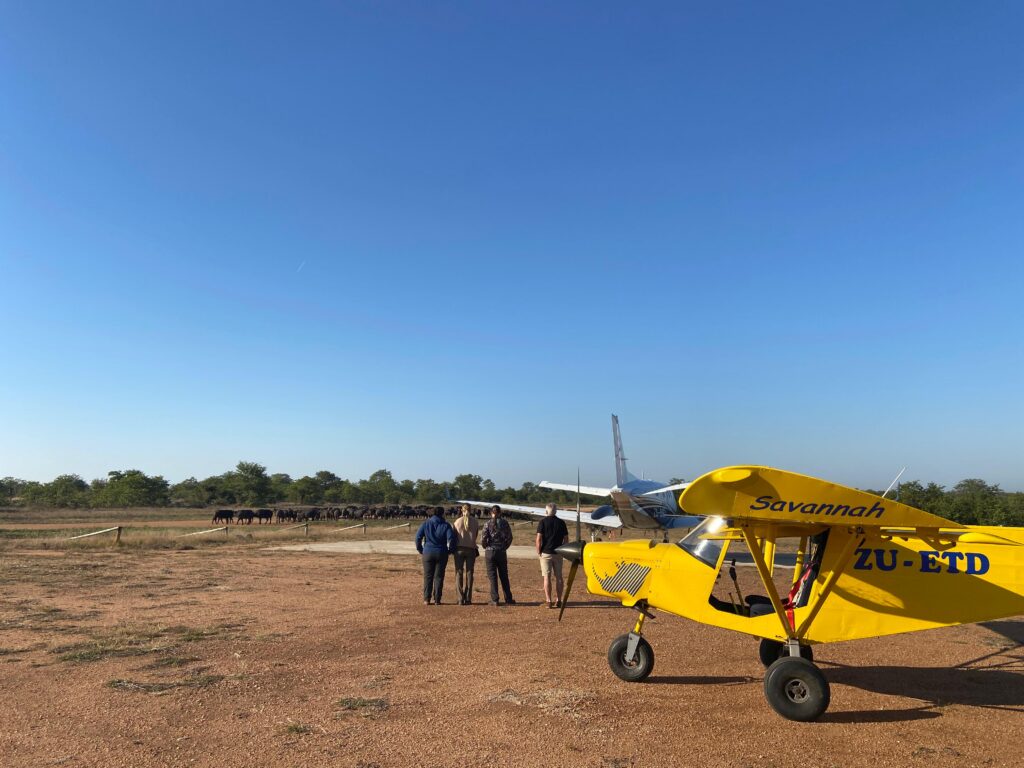
The Greater Kruger Environmental Protection Foundation (GKEPF) fixed-wing aircraft continues to play a vital role in conservation management across the Greater Kruger landscape. Through a combination of dedicated monitoring, proactive surveillance, incident response, and wildlife management support, aerial operations provide critical support that helps guide both conservation and security decisions on the ground.
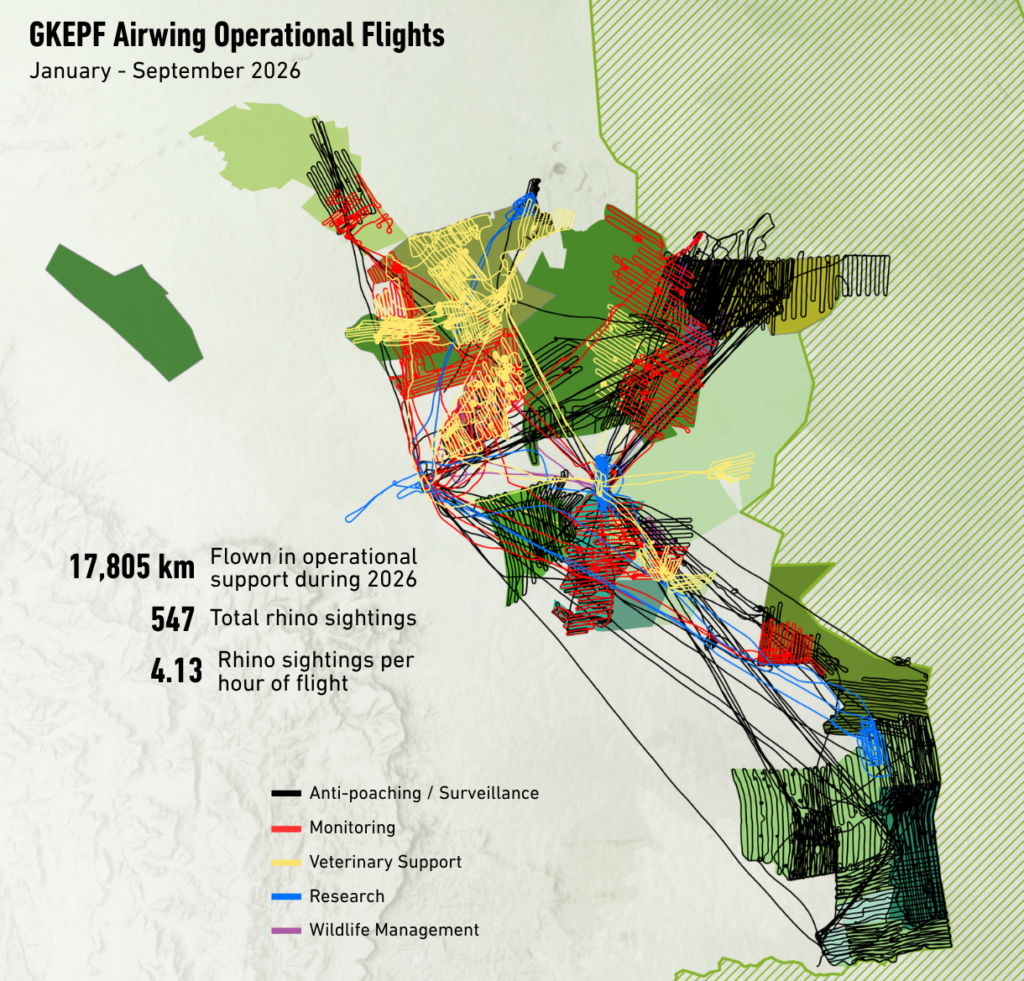
2026 by the Numbers
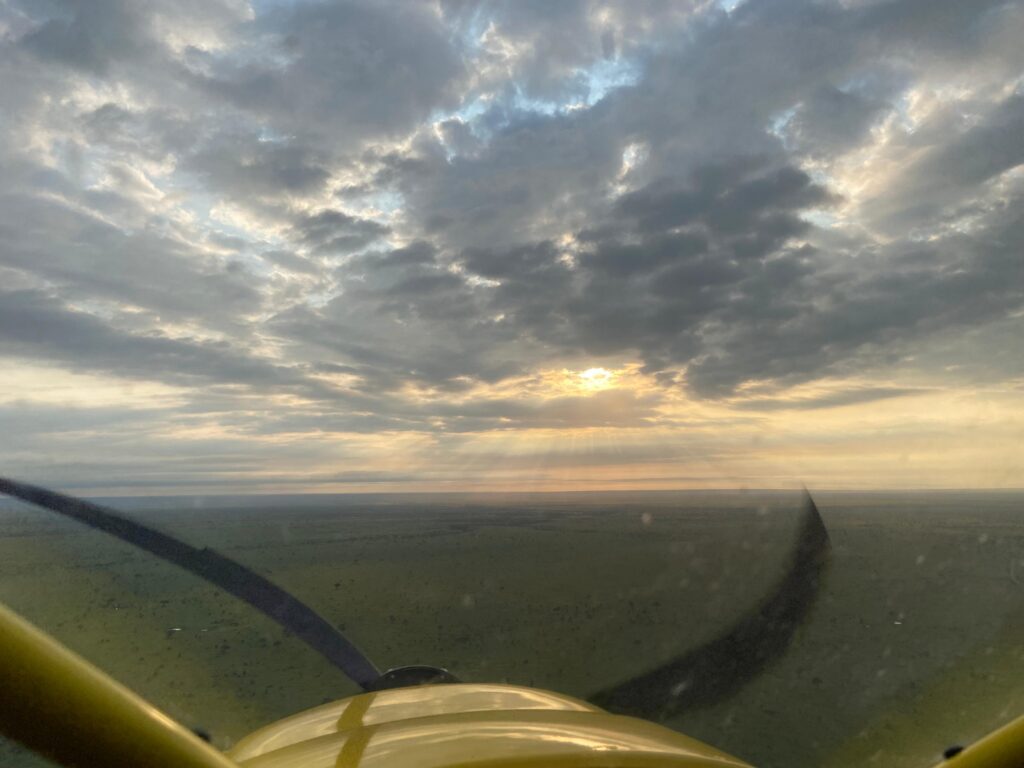
Between January and September 2026, GKEPF’s Savannah has flown more than 200 hours in support of:
- Wildlife monitoring
- Proactive anti-poaching patrols
- Incident response flights
- Wildlife management interventions
- Veterinary interventions
These hours represent an important investment in maintaining situational awareness across vast wilderness areas by providing high impact for hour of effort.
Dedicated Rhino Monitoring
One of the fixed-wing aircraft primary functions is dedicated wildlife monitoring, with comprehensive rhino monitoring flights being conducted systematically across GKEPF reserves.
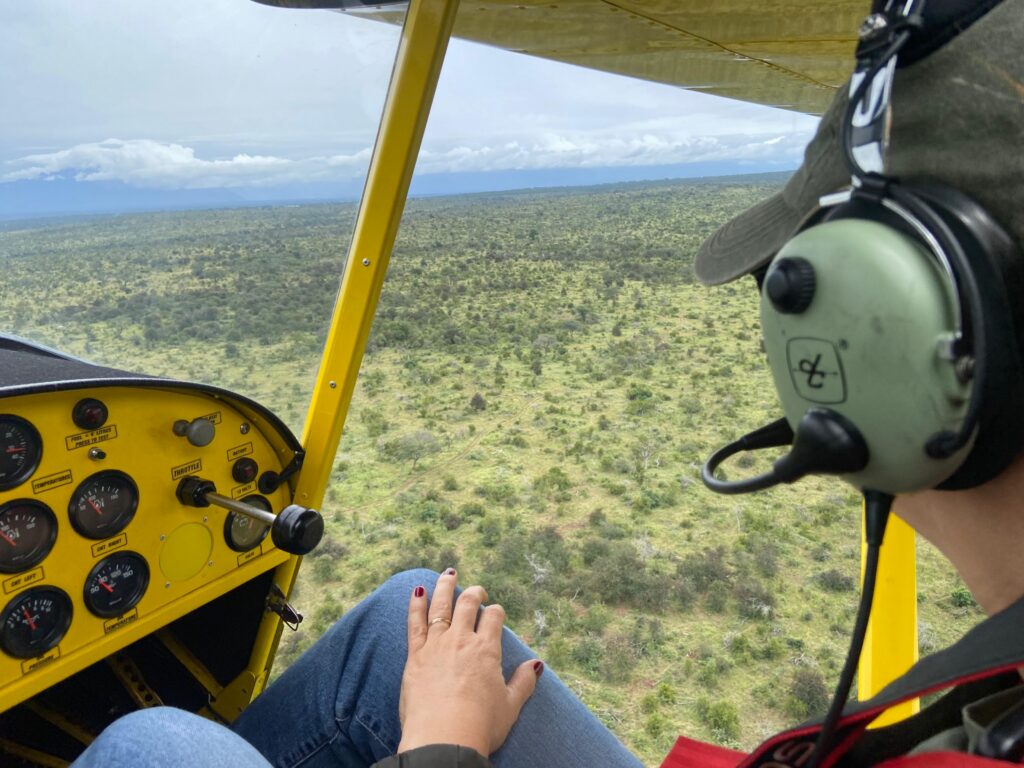
High-resolution photographs collected from the aircraft allow individual rhinos to be identified through unique ear notch patterns, while accurate locations are recorded for ongoing monitoring. Over 90% of rhinos seen during these dedicated monitoring flights result in positive individual identification. This aerial perspective provides valuable information that cannot easily be obtained from the ground, including:
- Animal movements across the landscape
- Calf births and survival
- Accurate demographic data
- Social associations
- Territory use and range patterns
The information gathered is essential for understanding the success of rhino rewilding efforts, the population trends of rhinos within the open system, and directly supports security planning. Knowing the identity and status of individual animals enables rapid assessment when incidents occur. For example, managers can determine which associated animals should be nearby, whether calves are present, whether a rhino was previously dehorned, and whether additional incidents may need to be investigated.
Proactive Patrols and Deterrence
Regular aerial patrols form a key part of GKEPF’s preventative conservation security strategy.
These flights reduce the likelihood of incidents going undetected while simultaneously acting as a visible deterrent to wildlife criminals. Continuous monitoring also helps identify areas where of high rhino density, enabling security resources to be strategically directed towards higher-risk zones.
The aircraft is tasked to follow up on reports of rhinos moving into sensitive areas, providing timely situational awareness to ground teams and supporting an appropriate operational response. This combination of aerial operational support and ground-based action strengthens the overall protection network across the landscape.
Rapid Response to Incidents
The fixed-wing aircraft is often the most effective way to quickly follow up on incident reports in large areas to verify reports from across the Greater Kruger landscape.
During 2026 so far, reaction flights have supported investigations into:
- Reports of gunshots
- Security incursions
- Animal carcasses
- Injured wildlife
- Suspected poisoning incidents
Aerial assessment allows teams to quickly determine whether a reported incident is genuinely linked to poaching or has another cause, such as the sound of elephants snapping trees being linked to gunshot reports. Following reports of incursions, the aircraft can rapidly assess surrounding areas for signs of wildlife crime while also demonstrating an active security presence.
Carcass investigations frequently benefit from aerial reconnaissance, helping determine whether additional animals may have been poached. In cases of suspected poisoning, rapid location of carcasses is critical to allow removal before scavenging species such as vultures, hyenas and lions become secondary victims.
Supporting Wildlife Management
Beyond security operations, the Savannah provides valuable spotting support during veterinary and wildlife management interventions. During these operations, the aircraft assists with locating animals for dehorning or requiring veterinary attention and acts as a spotter during immobilisations. In 2026, this has included support during rhino dehorning, ear tag removal and ear notching procedures, as well as locating animals injured through snaring, territorial disputes or other natural causes.
By providing teams with an aerial perspective, the aircraft can help reduce the time spent locating animals and support more efficient veterinary and wildlife management interventions on the ground.
A Critical Conservation Tool
By combining monitoring, preventative patrols, rapid incident response, and support for wildlife management interventions, GKEPF’s fixed-wing air support continues to provide a unique landscape-level perspective that strengthens conservation outcomes across the Greater Kruger.
Every flight contributes to a better understanding of wildlife populations, supports informed management decisions, and enhances the collective effort to protect some of Africa’s most threatened and iconic species.