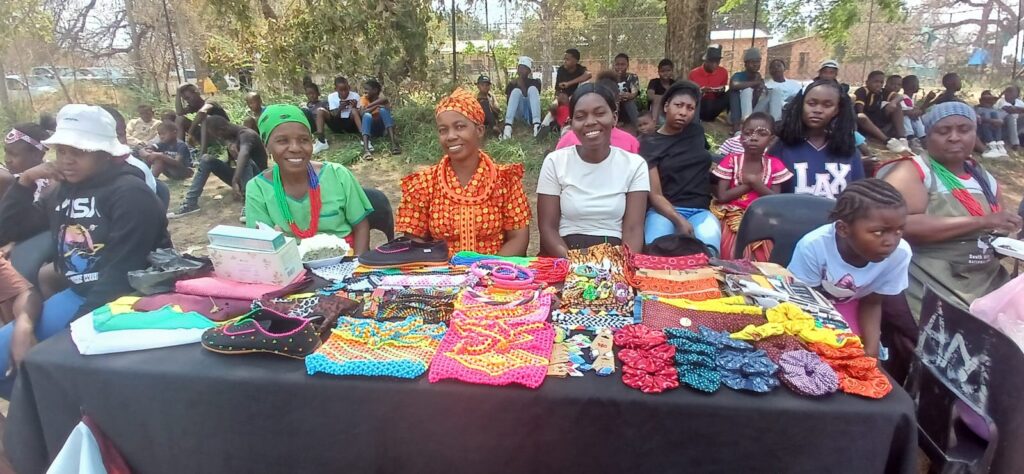
Around 2,000 community members and representatives from government, conservation and community organisations gathered at Babat Primary School in Justicia on 24 September for an environmental and social crime awareness event held alongside Heritage Day celebrations.
The gathering brought together Bushbuckridge Local Municipality, SAPS, Kruger National Park, Sabi Sand Nature Reserve, Sabi Sabi Foundation, MalaMala, GKEPF, the Department of Civilian Secretariat for Police Service, Jongilanga Traditional Authority, the Department of Education, the Community Policing Forum and the wider community. The Executive Mayor of Bushbuckridge Local Municipality was the keynote speaker.
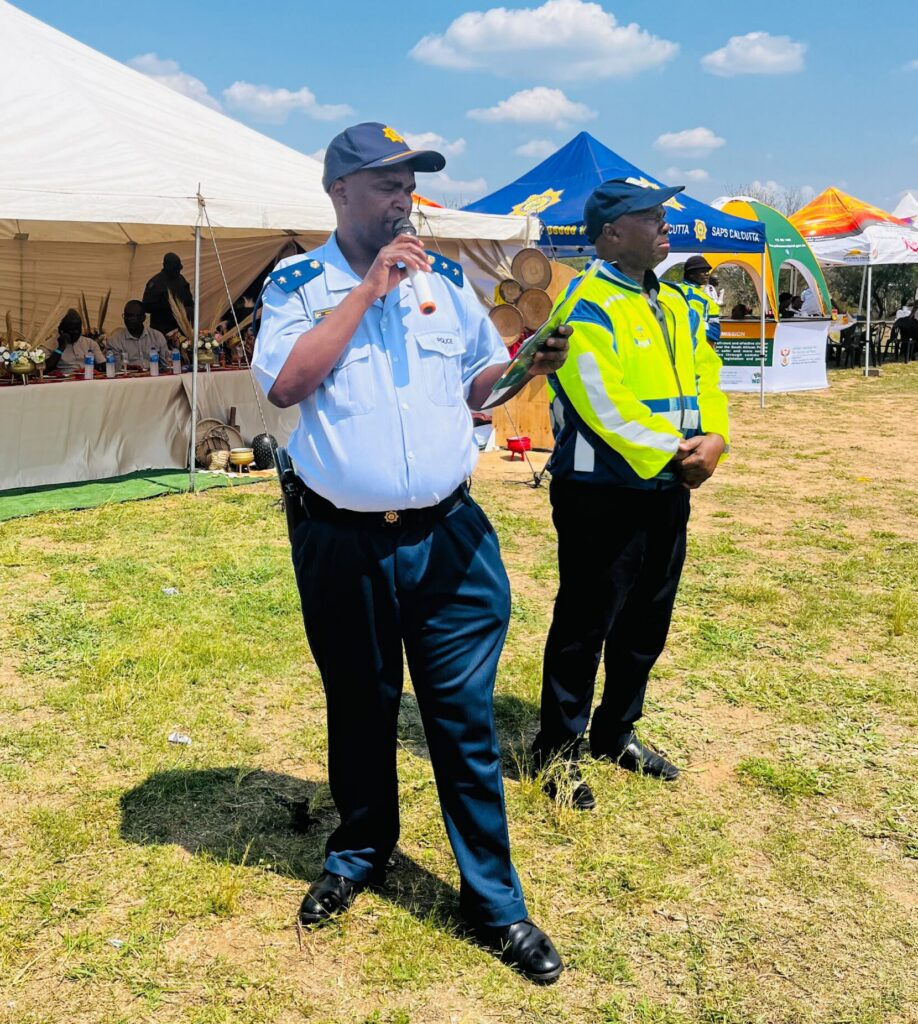
The programme created an opportunity to speak about both environmental and social crime, including wildlife crime, snaring, poisoning and . The Executive Mayor of Bushbuckridge Local Municipality spoke about the need for communities and government to work together to address crime and highlighted gender-based violence as a serious concern affecting communities.
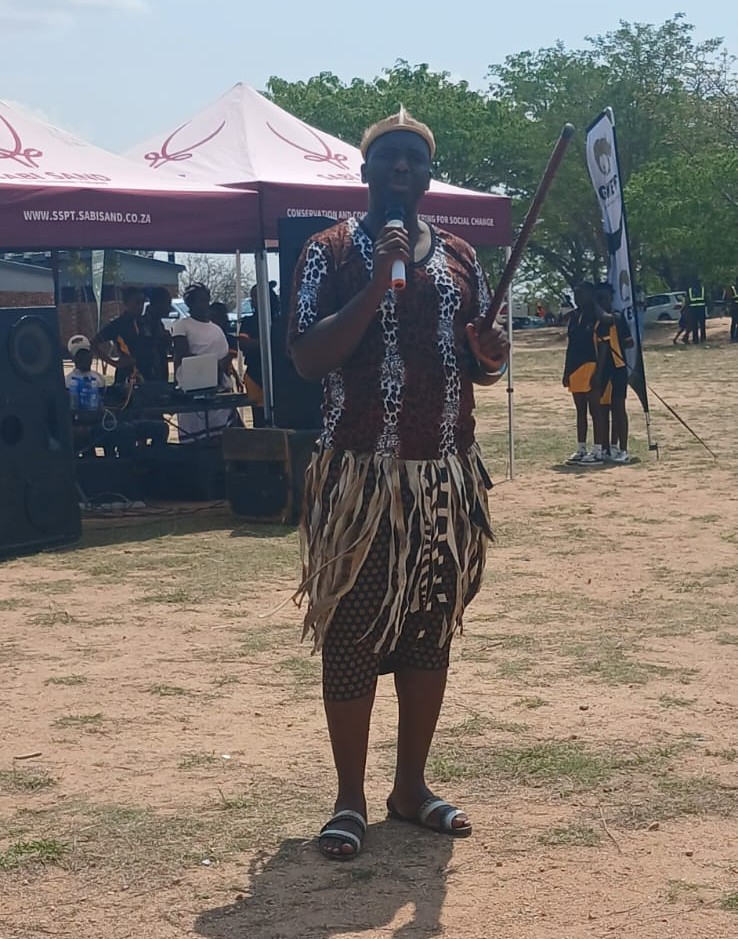
Rangers from Kruger National Park highlighted the impacts of poisoning and snaring, while GKEPF Community Stewardship Officer, Professor Mtungwa spoke about the wider dangers associated with the use of poisons within communities. His message extended beyond the deliberate poisoning of wildlife to the ways potentially harmful substances are used within communities, including commonly available products used to control rats, mice and other pests. He highlighted the importance of greater awareness around the risks these substances can pose to people as well as wildlife.
Bringing these issues into the same conversation was an important part of the programme. Environmental crime does not exist separately from the communities living alongside protected areas, and issues such as poisoning and snaring can have consequences that extend beyond their immediate target. The event provided a platform for conservation organisations, government departments, Traditional Authorities, law enforcement and community members to engage directly on these shared concerns.
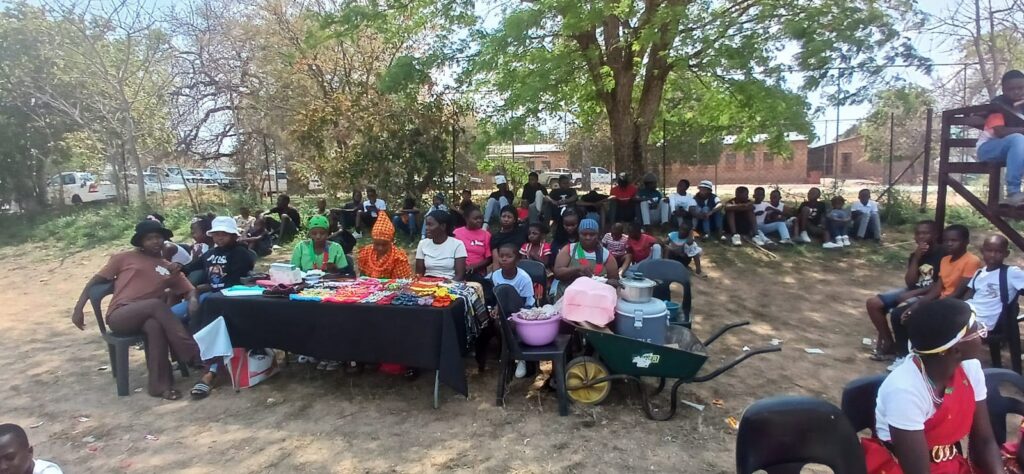
For GKEPF, the event was supported as part of its Education and Awareness work under the Prosper Programme. Community awareness around environmental and social crime is a core part of this work, creating opportunities to share information while strengthening relationships between conservation partners, Traditional Authorities and communities.