A Landscape Shaped by Science, Stewardship and Collaboration
Selati Game Reserve has been part of the Greater Kruger conservation landscape for more than three decades, yet one of its most significant milestones came only recently. Although neighbouring landowners first removed internal fences and established Selati in 1993, the reserve was formally proclaimed as a Nature Reserve in 2024, marking a new chapter in its conservation journey.
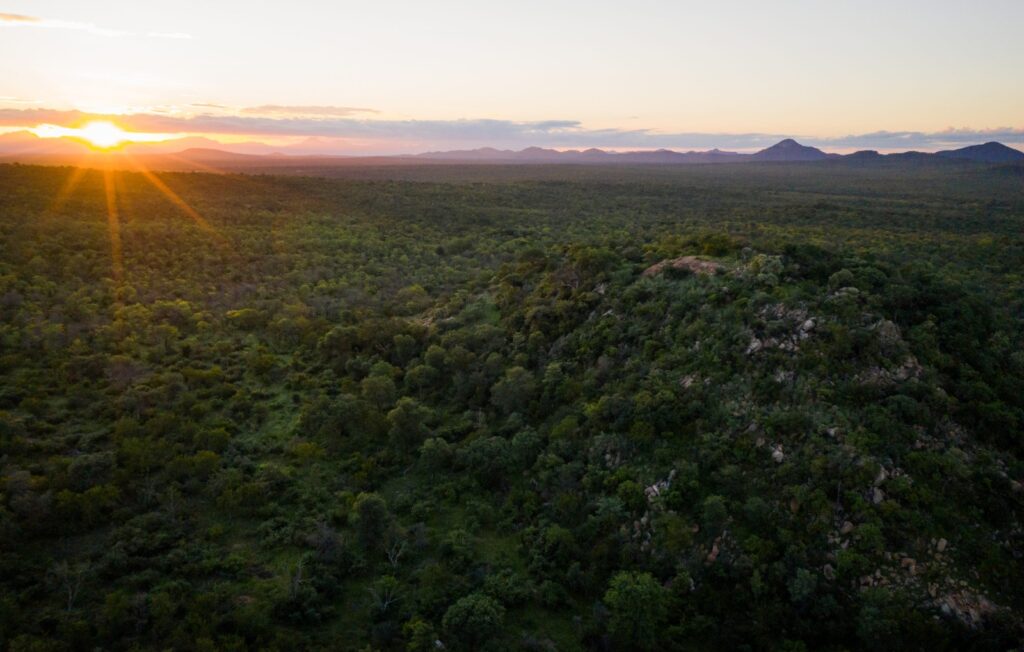
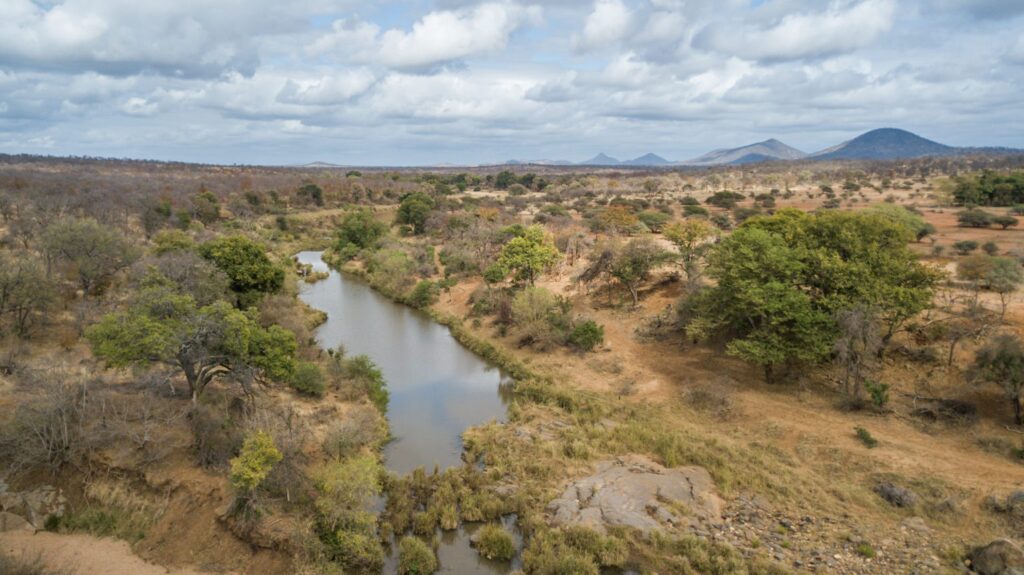
Situated on the western edge of the Greater Kruger landscape, Selati is distinguished by its unique combination of dramatic landscapes and intensive conservation management. While most neighbouring reserves form part of the open system, Selati is a closed reserve, requiring more intensive wildlife management to maintain healthy populations and ecological balance. Combined with its rocky koppies, strict limits on commercial development and low vehicle densities, this creates a landscape that retains a remarkably wild character.
This management approach is reflected across many of Selati’s conservation programmes. From elephant immunocontraception to the metapopulation management of predators and black rhinos, every decision is carefully considered to support healthy wildlife populations. Last year, two black rhinos were successfully translocated from Selati to Dinokeng as part of broader conservation efforts.
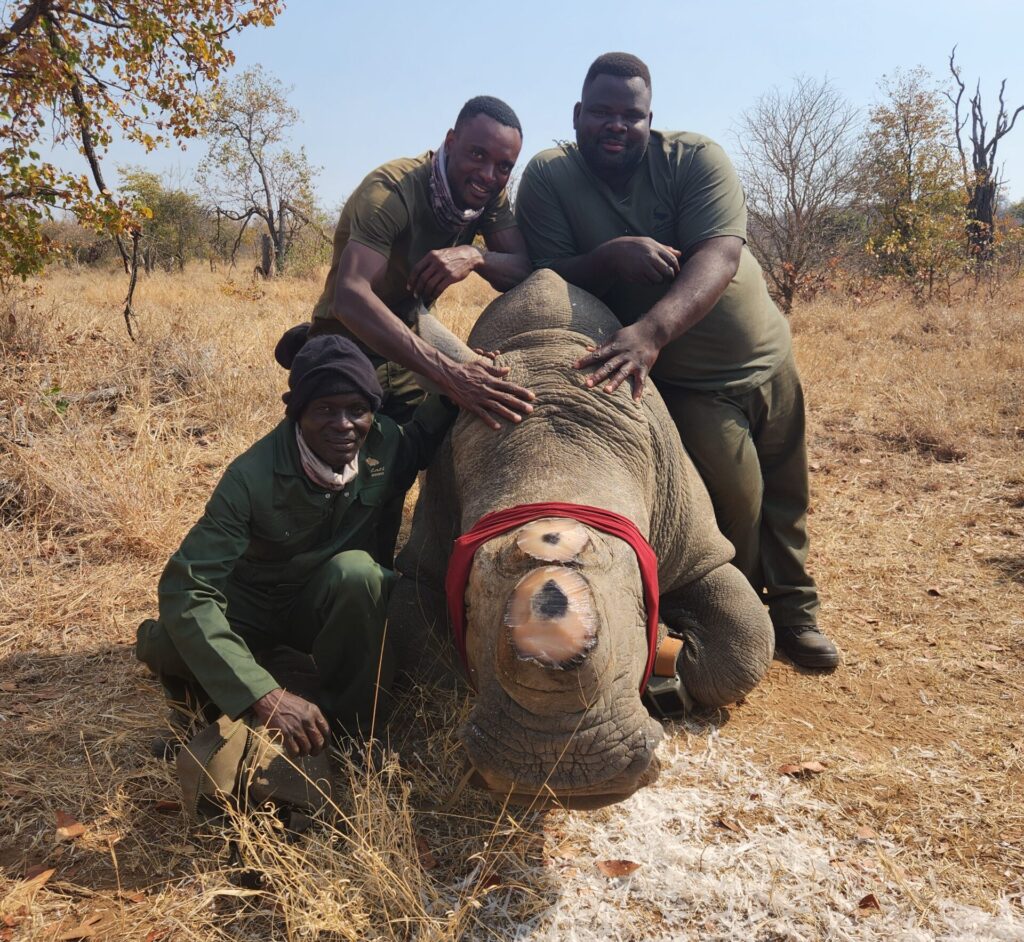
One of the reserve’s proudest achievements over the past year has been the deployment of Rouxcel collars on most of its adult black and white rhinos. The collars have strengthened rhino protection by acting as an additional deterrent to poachers while also providing valuable information on rhino movements, habitat use and home ranges to support ongoing management decisions.
Supporting many of these initiatives is the Selati Wilderness Foundation, established in 2018 to help advance conservation, research and community support in and around the reserve. Through fundraising and partnerships, the Selati Wilderness Foundation contributes to projects ranging from anti-poaching and endangered species protection to environmental education, scientific research and community programmes that strengthen conservation beyond the reserve boundary.
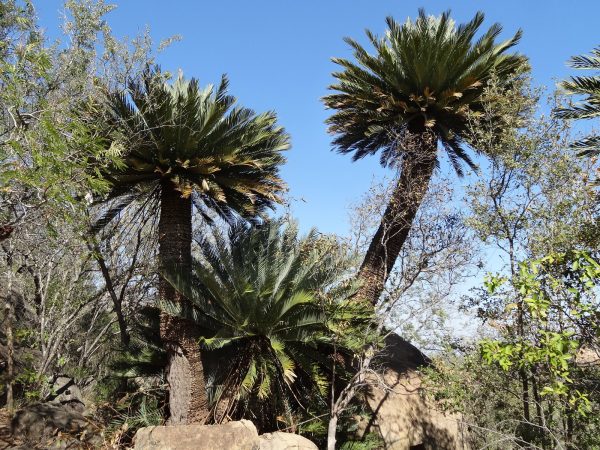
For visitors, Selati offers experiences found nowhere else in the Greater Kruger. One of its hidden treasures is the Lillie Cycad Reserve, a small provincial reserve entirely surrounded by Selati. It protects the world’s only natural population of the endangered Lillie cycad (Encephalartos dyerianus), one of the reserve’s most significant conservation responsibilities. The cliffs below also host a Verreaux’s eagle nesting site, where a dedicated webcam has provided remarkable insights into these iconic raptors in recent years.
Although Selati operates as a closed reserve, collaboration remains central to its success. Through GKEPF, Selati benefits from training opportunities, surveillance flights, and information sharing across the landscape. These partnerships help strengthen conservation not only within Selati, but across the Greater Kruger as a whole.
Looking ahead, Selati continues to invest in science, technology and people. Research Manager Madeline Siegel recently submitted her MSc thesis on white rhino genetics, work expected to help guide future rhino management. At the same time, the reserve is developing new technologies for high-resolution, reserve-wide wildlife monitoring, helping transform the growing volume of ecological data into practical management decisions. This growing emphasis on research and innovation is helping position Selati as a leading destination for applied conservation science.
The reserve is also optimistic about the future of Nkuwa Tented Camp, which is beginning to attract more visitors and generate valuable revenue to support conservation activities.
While Selati’s landscapes, wildlife and conservation challenges make it unique within the Greater Kruger, its greatest strength lies in the people and partnerships behind the reserve. Together, Selati Game Reserve and the Selati Wilderness Foundation continue to demonstrate how science, collaboration and long-term stewardship can protect biodiversity while creating benefits that extend well beyond the reserve boundary.