Strong partnerships with communities depend on more than simply creating opportunities to engage. People need to know who represents them, how decisions are made, where concerns can be raised and how information flows between community leadership structures and the people they represent.
These practical foundations were at the heart of the recent GEF 6 Governance Guidelines Workshop, which brought approximately 40 community representatives from the Northern, Central and Southern community clusters bordering the Greater Kruger protected areas together at the Southern African Wildlife College.
The workshop marked the launch of five governance guidelines co-developed with community leadership structures across the Greater Kruger landscape: representation, accountability, grievances, support and ethics.
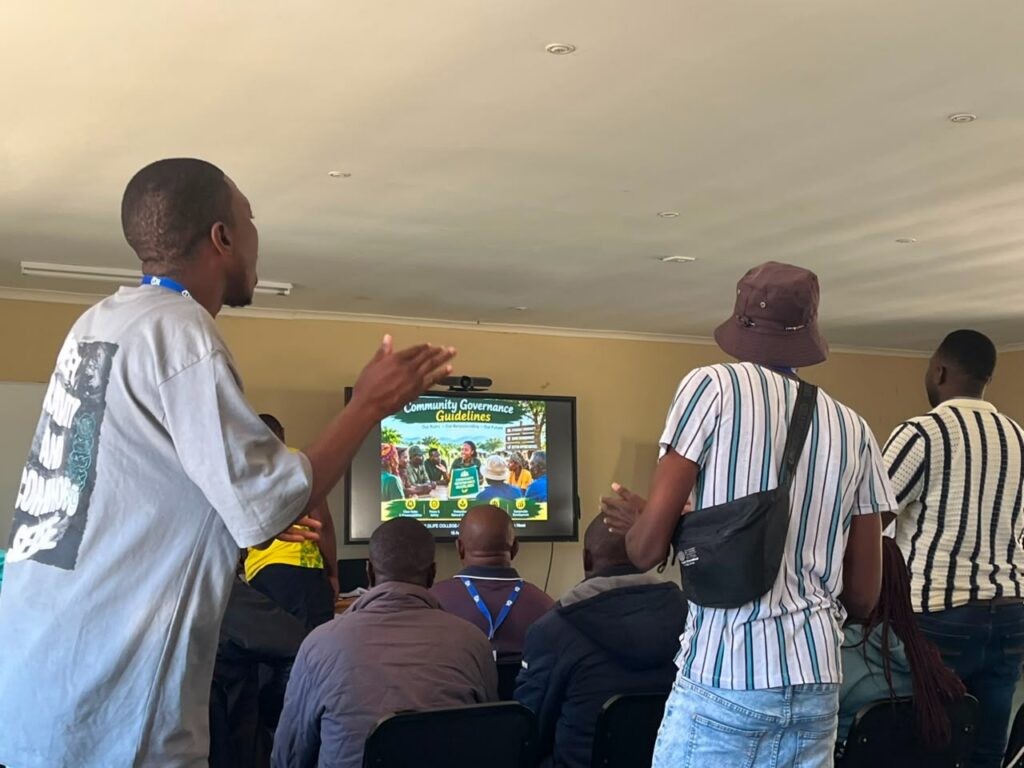
Rather than imposing a new structure, the guidelines provide a framework for working through recognised community leadership structures and creating clearer entry points for organisations engaging with communities. Throughout the workshop, participants openly discussed challenges within their own structures and explored how the guidelines could support better communication, participation, transparency and accountability.
One of the most encouraging aspects of the programme was the willingness of community leaders to raise challenges openly and commit to taking what they had learned back to their wider communities.
GKEPF played an active role throughout the programme. Lazaro Sibiya, Community Partnerships and Project Coordinator, co-facilitated the workshop alongside Lindie Botha of Conservation Synergies, while Angie Michau, Legal, Partnerships and Executive Support Manager, delivered The Greater Kruger Landscape Partnership – A Custodianship Approach, a presentation prepared by GKEPF CEO Dr Marisa Coetzee.
The presentation explored how wildlife crime, ecological degradation, poverty and community vulnerability are interconnected, and why addressing these challenges requires communities, government, protected areas and conservation organisations to work together. The importance of trusted reporting channels, accountable leadership and ensuring communities are active partners in conservation rather than passive beneficiaries were highlighted. The Integrated Wildlife Zones (IWZ) was presented on; helping connect the governance discussions to the wider conservation landscape, and explaining that GKEPF, as a safety and security coordinator of the Greater Kruger Zone, works with protected areas, communities and government partners to support coordinated information sharing and responses to wildlife crime. Reporting through recognised channels helps build a clearer understanding of wildlife crime and conservation challenges at landscape, regional and national levels, while ensuring community members have a voice and can play an active role in creating a safer landscape for both people and wildlife.
GKEPF also supported field visits to Manyeleti Game Reserve, Timbavati Private Nature Reserve, and Good Work Foundation’s new proposed site in Dixie.
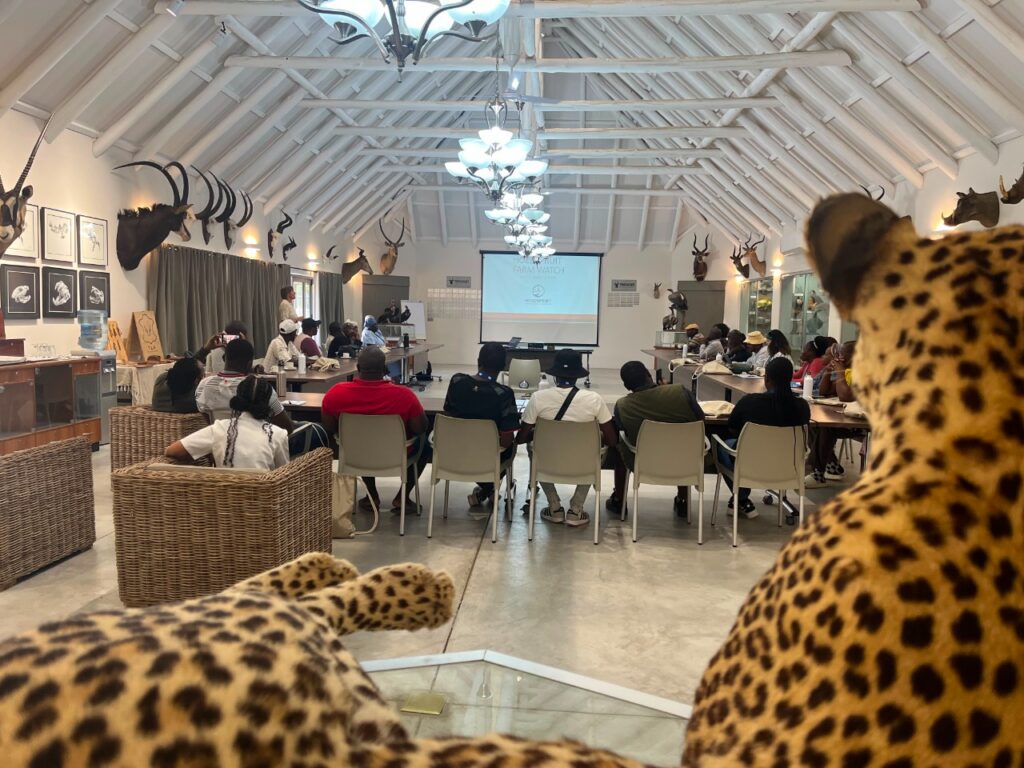
Practical examples formed an important part of the programme. Farm Watch Hoedspruit shared lessons from establishing an inclusive community safety structure, while Timbavati Foundation discussed its work and the benefits that wildlife and conservation can create through employment, tourism and other opportunities. Advocate Tjege from the National Prosecuting Authority also provided insight into relevant legal procedures and protocols. Manyeleti Game Reserve manager, Thabani Mdluli, shared experiences on how the local communities (through Community Police Forums) and SAPS work together with the reserve field rangers to reduce illegal wildlife trade and human-wildlife conflict. Fumani Mathumbu from Good Work Foundation provided insight into their youth capacitation and training initiative which is in the process of being scaled into the Manyeleti area.
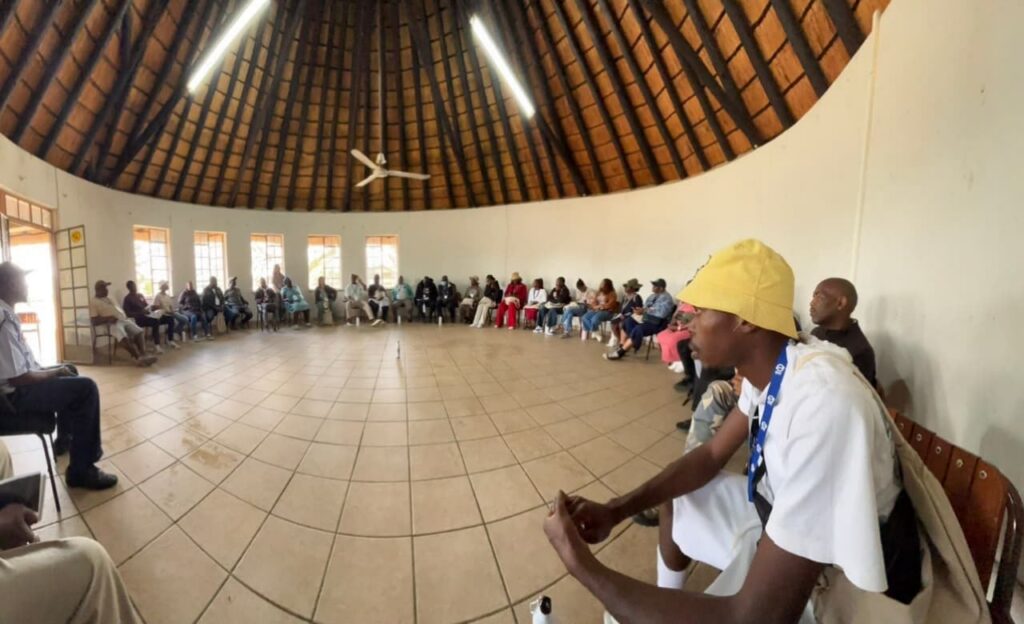
The programme brought together community leadership structures and partners including the Department of Forestry, Fisheries and the Environment, Peace Parks Foundation, Conservation Synergies, Southern African Wildlife College, Kruger National Park and the National Prosecuting Authority.
For GKEPF, the significance of the governance guidelines lies in what happens next. By establishing agreed principles and recognised channels for engagement, they provide a stronger foundation for organisations and community structures to work together, while helping ensure that community voices form part of decisions and partnerships affecting the wider landscape.
Good governance may not always be the most visible part of conservation, but the relationships, trust and accountability it creates are fundamental to building a landscape where people and wildlife can prosper together.