GKEPF continues to support the development and testing of Xeroth’s snareSAR, an airborne radar system designed to strengthen wildlife protection efforts through improved detection of wire snares from the air.
The system was installed on GKEPF’s Savannah aircraft in March, with a series of calibration and test flights since conducted across partner landscapes including Sabi Sand, Timbavati, and Balule.
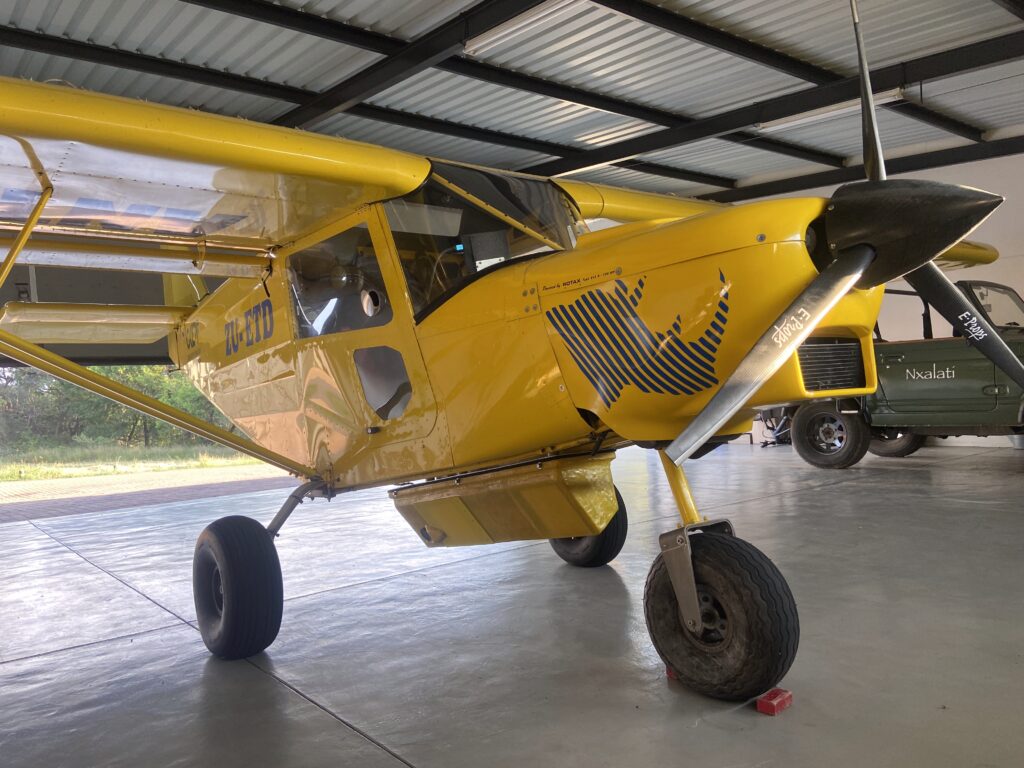
These early phases have focused on aircraft integration, system stability, navigation accuracy, and data performance, all critical foundations for future operational deployment. Good progress has been made, and the platform is now functioning as a stable airborne radar system.
The next phase of work will focus on continued refinement, calibration, and improving detection performance under real landscape conditions. As with any pioneering technology, iterative testing and adjustment form an essential part of the development process.
Once fully optimised, snareSAR has the potential to become an important additional tool in the fight against snaring, helping teams detect threats more efficiently across large and often difficult-to-access areas.
GKEPF is proud to support innovation that strengthens landscape protection through practical, evidence-led solutions.