Balule Nature Reserve is a long-standing partner within the GKEPF network and an important part of the Greater Kruger’s open conservation system.
Covering approximately 42,000 hectares along the western boundary of the Greater Kruger, Balule shares an unfenced boundary with Kruger National Park and forms part of a much larger connected landscape supporting the free movement of wildlife across the region.
The reserve itself is made up of multiple regions and private reserves working together as part of a collective conservation approach. This collaborative structure reflects one of the defining characteristics of the Greater Kruger landscape, where conservation success depends on partnership and coordination across boundaries.
Balule also protects important riverine habitat along the Olifants River, contributing to ecological resilience in an area where conservation, people, and development intersect closely.
Ian Nowak, General Manager and Head Warden of Balule Nature Reserve, describes the Greater Kruger as one of the most unique conservation systems in the world.
“It’s the only place in the world where such a big landmass is under conservation by different entities working as one unit.”
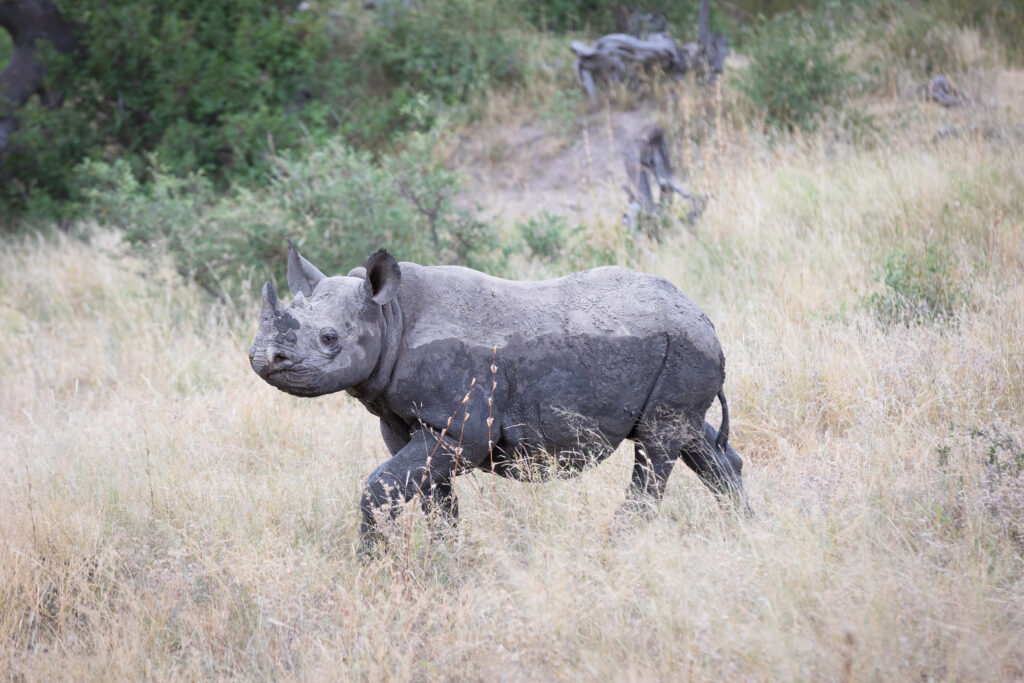
Balule has long played an important role in rhino protection and monitoring, including work linked to the conservation of black rhino through broader regional initiatives. This consistent on-the-ground commitment reflects the reserve’s broader role in safeguarding threatened species within a complex and dynamic landscape.
Conservation and Community
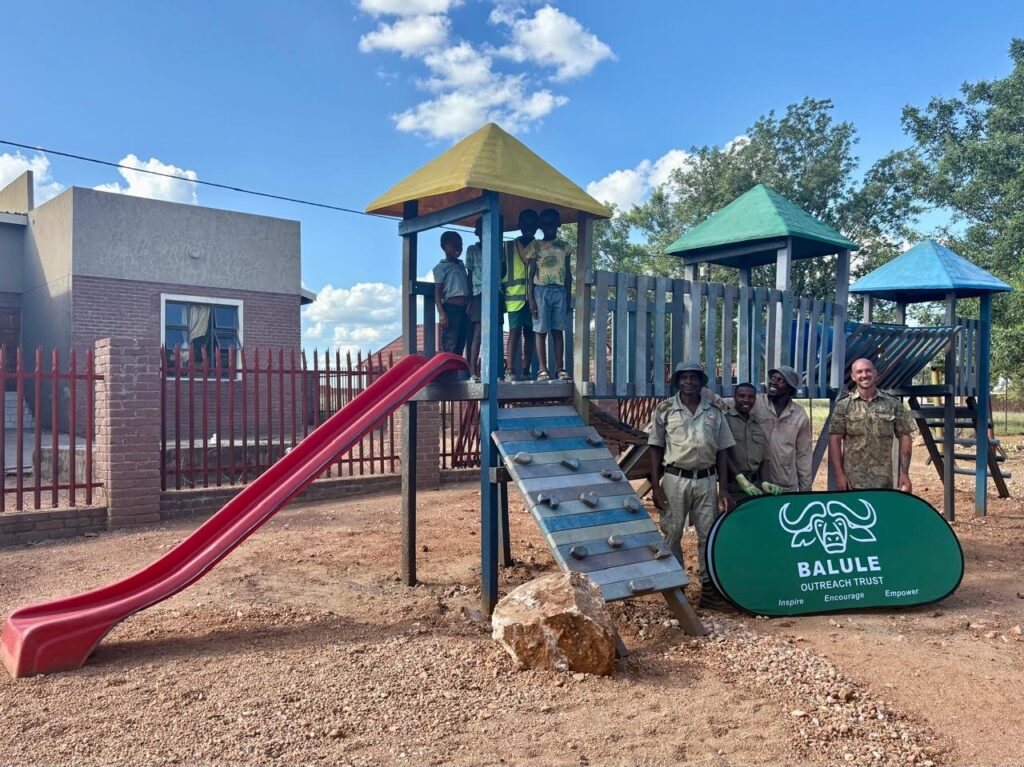
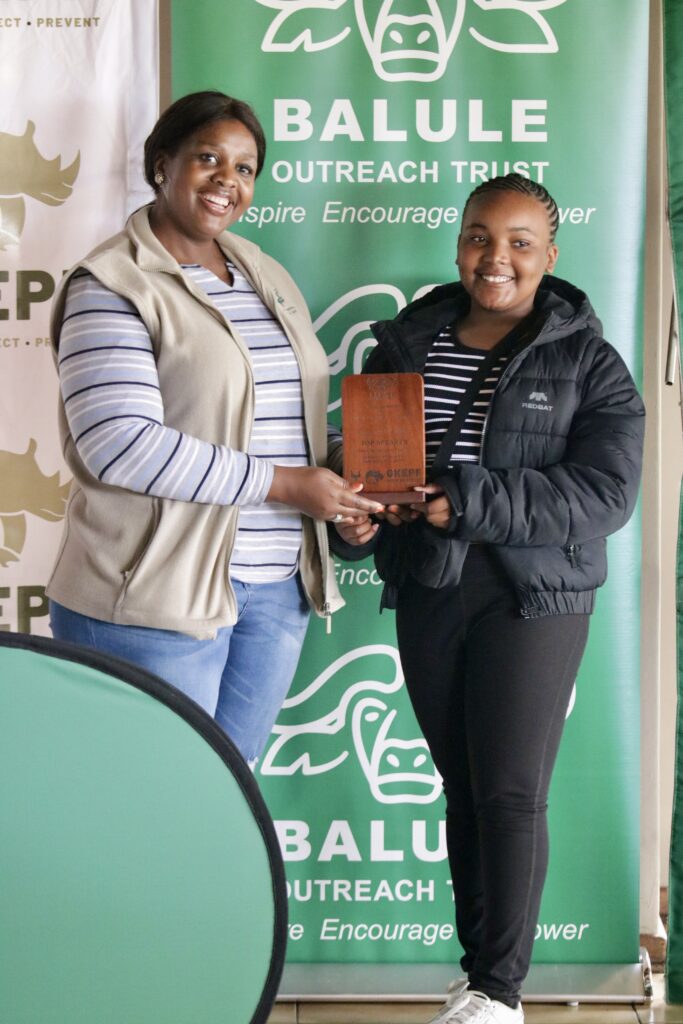
Beyond ecological protection, conservation at Balule is closely linked with neighbouring communities through the work of the Balule Outreach Trust (B.O.T.).
Established in 2012 by the late John Anderson, B.O.T. supports a wide range of education, health, youth development, and community upliftment initiatives in communities neighbouring the reserve. Today, the Trust supports approximately 600 children each month through after-care, nourishment, and educational programmes, while also investing in scholarships, conservation camps, youth skills development, healthcare initiatives, and support for local businesses.
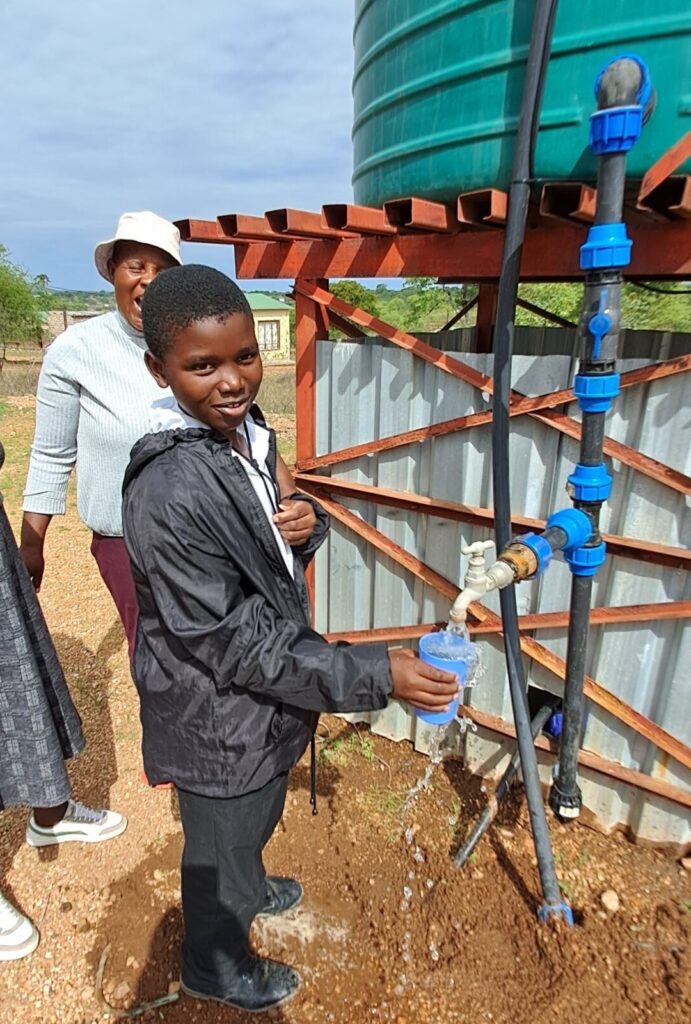
Its projects range from food parcel provision and educational support to water infrastructure improvements, skills development programmes, and healthcare initiatives. Upcoming projects include community hearing and sight screening programmes, a community dental initiative, and mentorship opportunities for unemployed youth transitioning into the workplace.
One initiative that has generated particular enthusiasm is the public speaking and debate programme, which provides young people with opportunities to develop confidence, critical thinking skills, and leadership abilities while engaging with broader topics affecting their communities.
For B.O.T., these programmes are about more than education alone. They help build an understanding of the relationship between people, communities, and conservation.
A particularly memorable moment came from a learner who participated in the 2025 debate competition and realised that conservation was not limited to wildlife reserves and rangers. Instead, conservation included the plants, animals, resources, and spaces immediately surrounding his home. For those involved, it was a powerful reminder that conservation belongs to everyone and that future stewardship of the Greater Kruger landscape depends on building those connections from an early age.

The Importance of Collaboration
Nowak emphasises that collaboration between Management Authorities remains essential in an open and connected system such as the Greater Kruger.
“There’s no hard boundary between the properties, which means the system is fluid. The management needs to work in tandem with each other in collaboration to make sure the entire system is managed on the same level and as one entity.”
As one of the founding reserves behind GKEPF, Balule continues to contribute to landscape-level collaboration that strengthens wildlife protection, supports operational coordination, and helps ensure the Greater Kruger remains a resilient landscape for both wildlife and people.
Reflecting on GKEPF’s role within the landscape, Nowak noted that the organisation has evolved into something far broader than its original security focus.
“It’s our own organisation. It’s not some external NGO. It’s our own NGO working for us, with us, for the objectives of this open system.”
GKEPF thanks Ian Nowak, Balule Nature Reserve, and the Balule Outreach Trust for their continued partnership and contribution to collaborative conservation across the Greater Kruger landscape.