For GKEPF, World Rhino Day is an opportunity to recognise the progress being made for rhinos across the Greater Kruger, while acknowledging that the threat remains and the work continues.
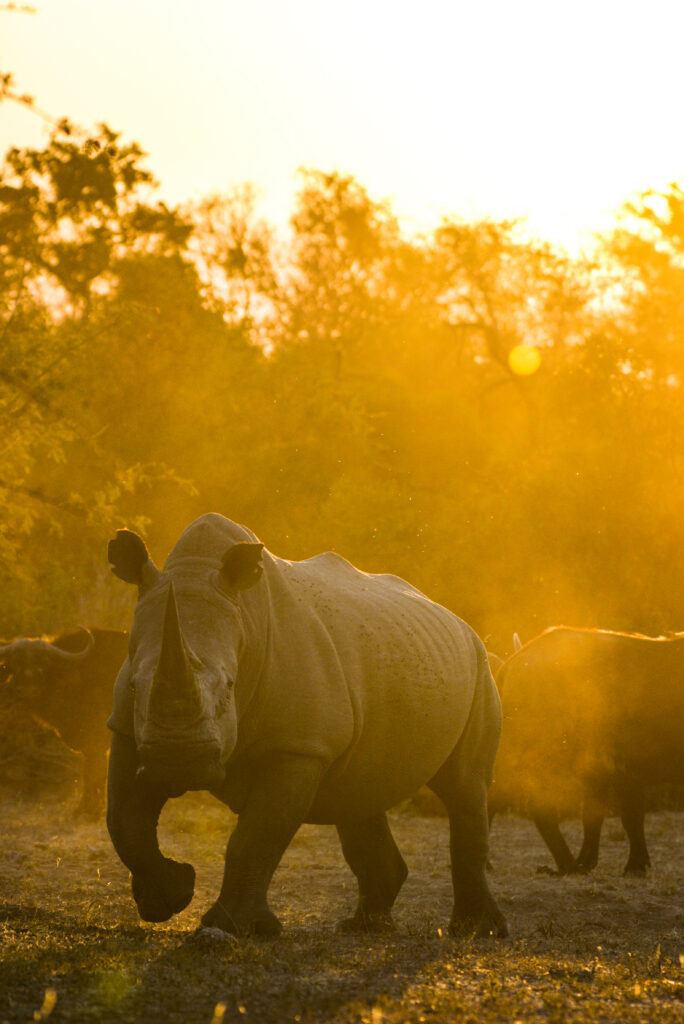
Photograph by Kevin MacLaughlin
Over the past decade, conservation across the landscape has changed significantly. Protected areas are working more closely together, managers are sharing experience and learning across boundaries, monitoring is improving, research is helping to inform decisions, and there is a growing focus on the wider social and ecological factors that influence the future of rhinos.
One of the clearest signs of that progress has been the return of rhinos to parts of the Greater Kruger. Over the past two years, 300 southern white rhinos have been translocated to GKEPF Management Authorities through African Parks’ Rhino Rewild initiative. The ability to undertake reintroductions of this scale reflects years of investment in protection, monitoring and collaboration across the landscape.
At the same time, experience from the Greater Kruger continues to contribute to a better understanding of how rhinos can be protected and managed. In 2025, a seven-year collaborative study led by GKEPF and university researchers, and published in Science, found that dehorning reduced rhino poaching by 78% across participating Greater Kruger reserves. Dehorning remains one tool among many, and management approaches must continue to evolve as threats change. Ongoing research, monitoring and the sharing of experience between rhino managers are therefore essential to understanding what is working, where investment is best directed, and how strategies may need to change over time.
An equally important part of that work is developing a clearer picture of the Greater Kruger’s rhino population as a whole. GKEPF is working with Management Authorities to strengthen monitoring and data sharing so that, over time, ecological information can be brought together at landscape scale. Linking that picture with safety and security information will help managers better understand where pressures and threats are changing and inform collective responses.
World Rhino Day is also a chance to celebrate the animals at the heart of all this work. Securing their future will depend not only on how rhinos are protected today, but on the people who will care for them tomorrow. Through education, awareness, partnerships and community involvement, there is an opportunity to strengthen connections to rhino conservation and inspire the next generation of rhino stewards across the Greater Kruger landscape.
World Rhino Day is therefore not only about recognising the species itself, but the people, partnerships and years of learning behind the progress being made. Protecting rhinos is ultimately about ensuring that these remarkable animals remain part of this landscape for generations to come.